Showing the guide Famous female painters: 26 women who changed painting

View MapMapArtistsEditorial

Art history · Artists

Famous female painters: 26 women who changed painting

From Sofonisba Anguissola at the court of Spain to Julie Mehretu and Amy Sherald today: twenty-six women painters to know, what each painted, where their pictures hang, and where their work is on view now.

By On View · Updated · 26 artists

  • Famous female painters
  • Famous women artists
  • Female artists
  • Women painters
  • Art history
  • Painting
  • Impressionism
  • Abstract Expressionism
  • Contemporary art

For most of the history of painting, women were kept out of the academies, the guilds and the life-drawing classes where painters were made, and the women who painted anyway were written out of the histories after their deaths. Linda Nochlin asked why in a famous essay of 1971, “Why Have There Been No Great Women Artists?”, and answered that the reasons were institutional, not a lack of talent. The fifty years since have been spent finding them again.

Here are twenty-six women painters, from Sofonisba Anguissola at the court of Spain in the 1560s to painters working now, in five parts and in order of birth within each. Each entry gives the painter’s years, what she is known for, the works to know and where they hang, and any shows of her work on view now or opening soon in On View’s listings, which change as shows open and close.

Before 18004

Four painters who won fame in their own lifetimes, at courts and in guilds that rarely admitted women, and were then largely forgotten.

1 / 26Italian · c. 1532–1625

Sofonisba Anguissola

Born in Cremona; died in Palermo

Works to know: The Chess Game, 1555 (National Museum in Poznań); Self-Portrait, 1554 (Kunsthistorisches Museum, Vienna)

The first woman painter of the Renaissance to win international fame. Michelangelo admired a drawing she sent him, Vasari praised her, and in 1559 she went to Madrid as lady-in-waiting and painting teacher to Philip II’s queen, Elisabeth of Valois. Her portraits of her sisters, playing chess and laughing, have an informality new in Italian painting. She lived into her nineties, and the young Anthony van Dyck drew her in Palermo; a study published in 2026 dates his visit, and her death, to 1629 rather than 1625.

2 / 26Italian · 1593–c. 1654

Artemisia Gentileschi

Born in Rome; died in Naples

Works to know: Judith Slaying Holofernes, c. 1620 (Uffizi Gallery, Florence); Self-Portrait as Saint Catherine of Alexandria, c. 1615–17 (National Gallery, London)

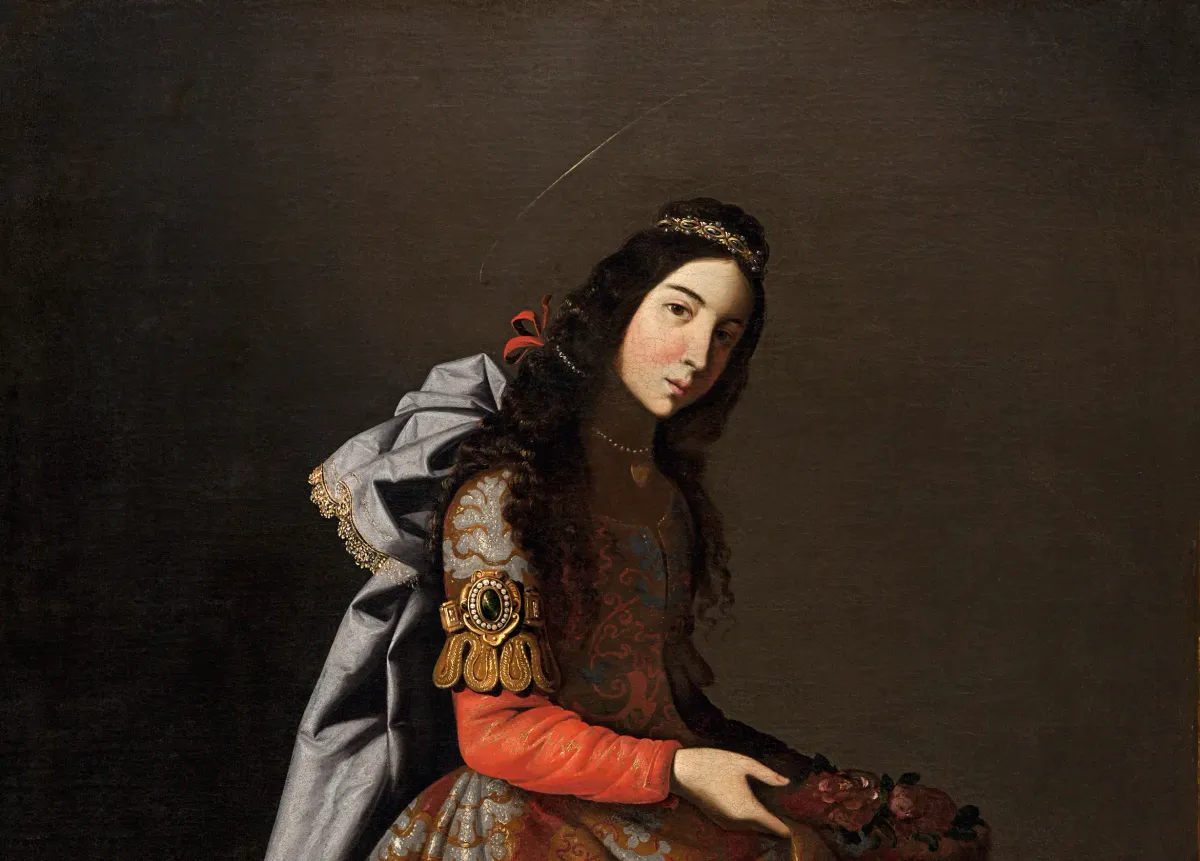
The National Gallery in London calls her the most celebrated woman artist of the seventeenth century. Trained by her father, Orazio, a follower of Caravaggio, she became in 1616 the first woman admitted to Florence’s Accademia delle Arti del Disegno, and worked for the Medici, for Charles I in London and in Naples. Her Judith, Susanna and Esther are painted with a force and a naturalism few of her contemporaries matched. Forgotten for centuries, she has been fully restored to the story only in the last fifty years.
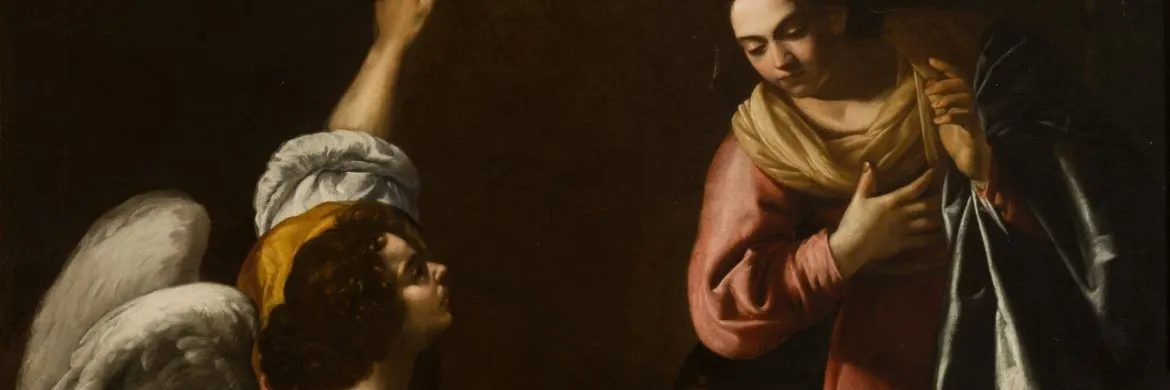
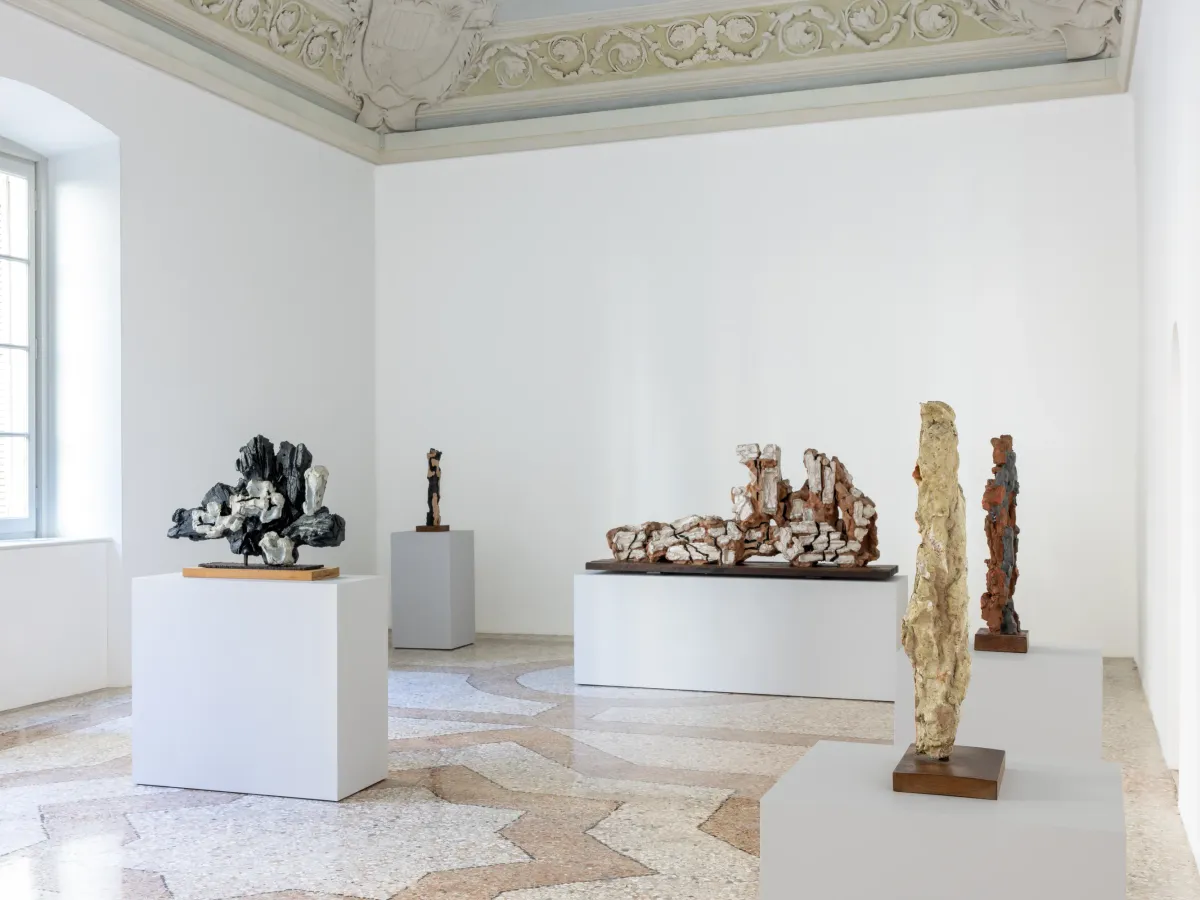
Artemisia Gentileschi, Annunciazione (detail), 1630
Artemisia Gentileschi, Annunciazione (detail), 1630. Oil on canvas. Museo e Real Bosco di Capodimonte, Naples. In Artemisia Gentileschi: Annunciazione, Museo Diocesano Carlo Maria Martini, Milan.

3 / 26Dutch · 1609–1660

Judith Leyster

Born in Haarlem; died in Heemstede

Works to know: Self-Portrait, c. 1630 (National Gallery of Art, Washington); The Jolly Drinker, 1629 (Rijksmuseum, Amsterdam)

Leyster was a master of Haarlem’s Guild of St. Luke by 1633, with a workshop and pupils of her own, and painted merry drinkers, musicians and children in a quick, lively manner close to Frans Hals’s. After her death her work was given to Hals or to her husband, Jan Miense Molenaer, until her monogram was noticed in 1893. In 2021 she was among the first women hung in the Rijksmuseum’s Gallery of Honour.

4 / 26French · 1755–1842

Élisabeth Vigée Le Brun

Born and died in Paris

Works to know: Self-Portrait in a Straw Hat, 1782 (National Gallery, London); Marie Antoinette with a Rose, 1783 (Palace of Versailles)

Marie Antoinette’s favorite painter, she made more than thirty portraits of the queen and her family, and was received into the Académie royale in 1783, one of very few women ever admitted. When the Revolution came she fled, and spent twelve years painting the courts of Italy, Austria and Russia. In all she made some 660 portraits and was elected to academies in ten cities.

The nineteenth century3

The animal painter who was the most famous woman artist of her century, and two of the Impressionists.

5 / 26French · 1822–1899

Rosa Bonheur

Born in Bordeaux; died in Thomery, near Fontainebleau

Works to know: Ploughing in the Nivernais, 1849 (Musée d’Orsay, Paris); The Horse Fair, 1852–55 (Metropolitan Museum of Art, New York)

The most famous woman painter of the nineteenth century painted animals with a naturalist’s precision, studying them at horse markets and slaughterhouses; to work there she had to ask the police for permission to wear trousers. The Horse Fair, shown at the Salon of 1853, made her famous in Europe and America, and Queen Victoria asked for a private viewing. In 1865 the Empress Eugénie gave her the Legion of Honour, the first woman artist to receive it.

6 / 26French · 1841–1895

Berthe Morisot

Born in Bourges; died in Paris

Works to know: The Cradle, 1872 (Musée d’Orsay, Paris); Woman at Her Toilette, 1875–80 (Art Institute of Chicago)

Morisot showed in the first Impressionist exhibition in 1874 and in all but one of the eight that followed, more faithfully than almost any of the men. She painted women and children at home and in gardens with a quick, open brush, The Cradle among them, which shows her sister Edma watching her sleeping baby. She married Eugène Manet, the brother of her friend Édouard.

7 / 26American · 1844–1926

Mary Cassatt

Born in Allegheny City, Pennsylvania; died at the Château de Beaufresne, near Paris

Works to know: The Child’s Bath, 1893 (Art Institute of Chicago); The Boating Party, 1893–94 (National Gallery of Art, Washington)

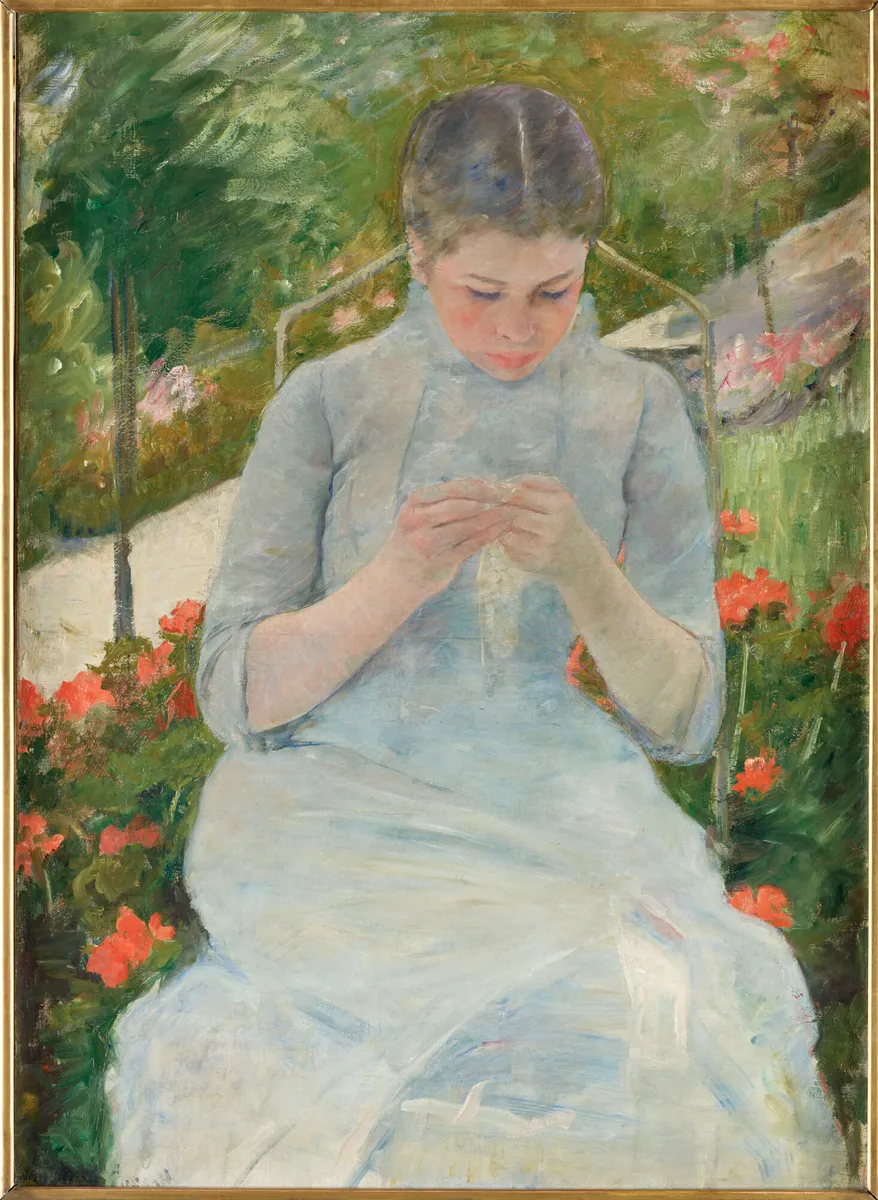
Cassatt lived most of her life in France, where Edgar Degas invited her to show with the Impressionists; she is the only American officially associated with them. Her subject was the bond between mothers and children, painted without sentiment and with a printmaker’s sense of pattern learned from Japanese woodcuts. France gave her the Legion of Honour in 1904.

Jeune fille au jardin, entre 1880 et 1882
Jeune fille au jardin, entre 1880 et 1882. Huile sur toile, H. 92,5 ; L. 65,0 cm. © GrandPalaisRmn (musée d'Orsay) / Franck Raux. In Mary Cassatt: L’indépendante, Musée d’Orsay, Paris.

Modern painting, 1900 to 19457

A Swedish mystic who painted abstractions before Kandinsky, a self-taught model from Montmartre, and the women who gave modern painting some of its best-known images, in New York, New Mexico, Paris and Mexico City.

8 / 26Swedish · 1862–1944

Hilma af Klint

Born at Karlberg Palace, Solna; died in Djursholm, near Stockholm

Work to know: The Ten Largest, 1907 (Hilma af Klint Foundation, Stockholm)

From 1906 af Klint painted large abstract canvases, before Kandinsky, Malevich or Mondrian, guided, she believed, by spirits contacted with a circle of women Theosophists called the Five. She asked that the work be kept from view for at least twenty years after her death. When it was finally shown, it rewrote the story of abstract art; the Guggenheim’s exhibition of 2018–19 drew more than 600,000 visitors, the most in the museum’s history.

9 / 26French · 1865–1938

Suzanne Valadon

Born in Bessines-sur-Gartempe, in the Limousin; died in Paris

Works to know: Adam and Eve, 1909 (Centre Pompidou, Paris); The Blue Room, 1923 (Centre Pompidou, Paris)

Born Marie-Clémentine Valadon, she modeled for the painters of Montmartre and taught herself by watching them. Degas was the first to buy her drawings and encouraged her, and in 1894 she became the first woman painter admitted to the Société Nationale des Beaux-Arts. Her candid nudes, painted by a woman who had posed for the men, and her Blue Room, a woman lounging in pajamas with a cigarette, are among the boldest pictures of their day. She was the mother of the painter Maurice Utrillo.

10 / 26American · 1887–1986

Georgia O’Keeffe

Born in Sun Prairie, Wisconsin; died in Santa Fe, New Mexico

Works to know: Jimson Weed/White Flower No. 1, 1932 (Crystal Bridges Museum of American Art, Bentonville); Sky above Clouds IV, 1965 (Art Institute of Chicago)

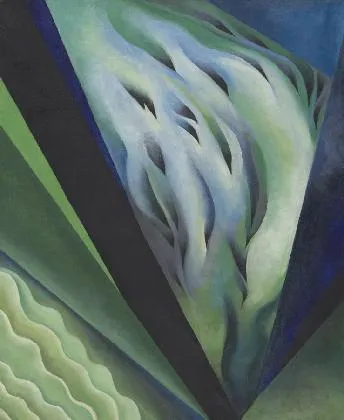
Called the mother of American modernism, O’Keeffe was first shown by the photographer and dealer Alfred Stieglitz in 1916 and married him in 1924. Her enlarged flowers of the 1920s and the bones, hills and skies of New Mexico, where she settled for good after his death, made her the best-known American woman painter. In 1946 she was the first woman to have a retrospective at the Museum of Modern Art. Her Jimson Weed/White Flower No. 1 sold for $44.4 million in 2014, the auction record for a woman until 2025.

Georgia O'Keeffe and American Modernism at MMCA Gwacheon
Georgia O'Keeffe and American Modernism. In Georgia O'Keeffe and American Modernism, MMCA Gwacheon, Seoul.

11 / 26Polish · 1894–1980

Tamara de Lempicka

Born in Warsaw; died in Cuernavaca, Mexico

Works to know: Kizette on the Balcony, 1927 (Centre Pompidou, Paris); Self-Portrait (Tamara in the Green Bugatti), 1929 (private collection)

The painter of Art Deco, she made polished, sculptural portraits of the rich and titled in Paris between the wars; her self-portrait at the wheel of a green Bugatti, painted in 1929 for the cover of the German magazine Die Dame, is the era’s emblem. She shaved years off her age all her life; records found recently put her birth in Warsaw in 1894, not 1898. Her Portrait of Marjorie Ferry made £16.3 million at Christie’s in 2020.

12 / 26American · 1900–1984

Alice Neel

Born in Merion Square, Pennsylvania; died in New York

Works to know: Andy Warhol, 1970 (Whitney Museum of American Art, New York); Margaret Evans Pregnant, 1978 (Institute of Contemporary Art, Boston)

Neel painted people, “a collector of souls,” she called herself, through decades when the art world cared only for abstraction: her neighbors in Spanish Harlem, poets, activists, artists and strangers, in frank, wiry color. Her portrait of Andy Warhol shows the scars and the corset he wore after he was shot in 1968. Recognition came late, with a Whitney retrospective in 1974; the Metropolitan Museum’s People Come First in 2021 was the largest show of her work New York has seen.

13 / 26Mexican · 1907–1954

Frida Kahlo

Born and died in Coyoacán, Mexico City

Works to know: The Two Fridas, 1939 (Museo de Arte Moderno, Mexico City); Self-Portrait with Thorn Necklace and Hummingbird, 1940 (Harry Ransom Center, Austin)

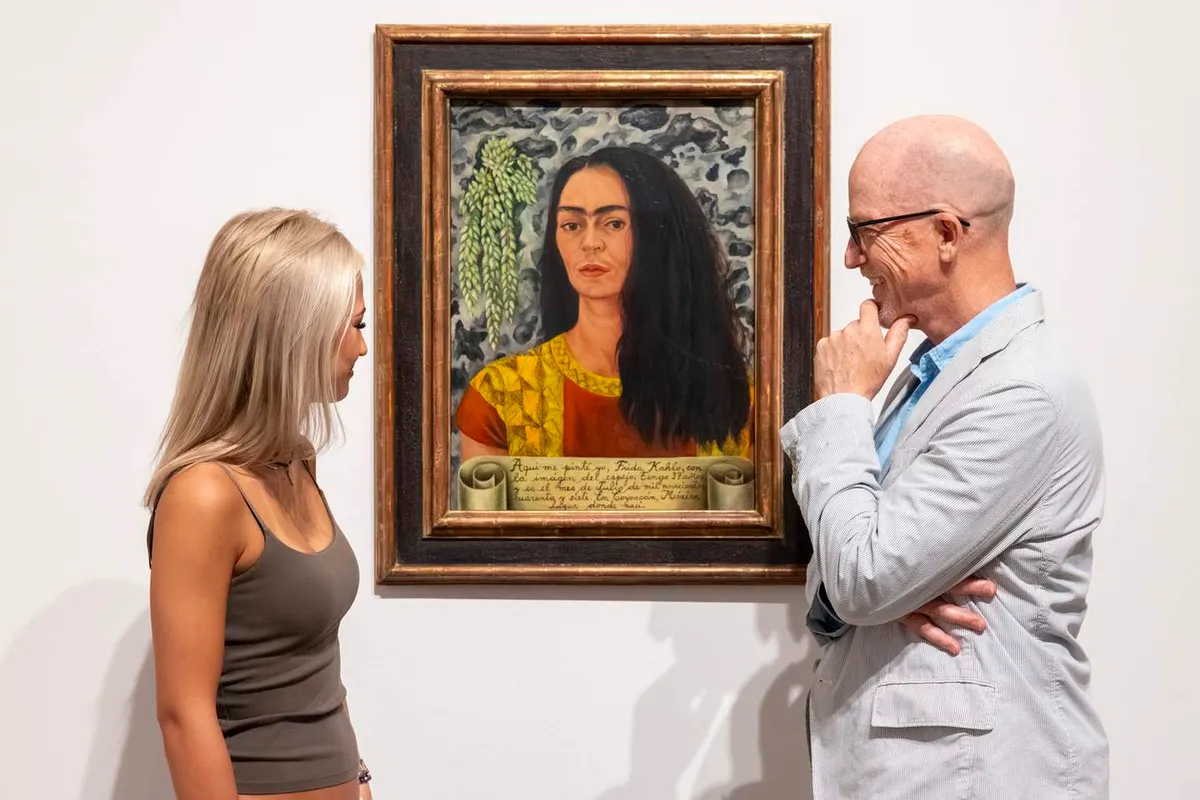
A bus accident at 18 left Kahlo in pain for the rest of her life, and she began to paint in bed; many of her pictures are portraits of herself, set among the plants, animals and folk art of Mexico. She married the muralist Diego Rivera in 1929. Her first solo show was at the Julien Levy Gallery in New York in 1938, and the Louvre bought her painting The Frame, the first by a Mexican artist in its collection. In November 2025 her El sueño (La cama) sold for $54.7 million at Sotheby’s, the highest price ever paid at auction for a work by a woman.

Installation view of Frida Kahlo: The Making of an Icon at Tate Modern
Installation view, Frida Kahlo: The Making of an Icon, Tate Modern.

14 / 26British-born Mexican · 1917–2011

Leonora Carrington

Born in Clayton-le-Woods, Lancashire; died in Mexico City

Works to know: Self-Portrait (Inn of the Dawn Horse), 1937–38 (Metropolitan Museum of Art, New York); Portrait of Max Ernst, c. 1939 (Scottish National Gallery of Modern Art, Edinburgh)

Carrington ran from a wealthy English family to Paris and the Surrealists in 1937, with Max Ernst, and after the war broke them apart made her way to Mexico, where she lived and painted for nearly seventy years. Her dreamlike pictures of hybrid creatures, kitchens and rituals, and her novels, made her one of Surrealism’s great figures; the 2022 Venice Biennale took its title, The Milk of Dreams, from one of her books. Her Les Distractions de Dagobert sold for $28.5 million in 2024.
After 19457

The women of Abstract Expressionism, two painters who made perception their subject, and a storyteller from Lisbon. Four of them are in the Abstract Expressionist artists, with the rest of the New York School.

15 / 26American · 1908–1984

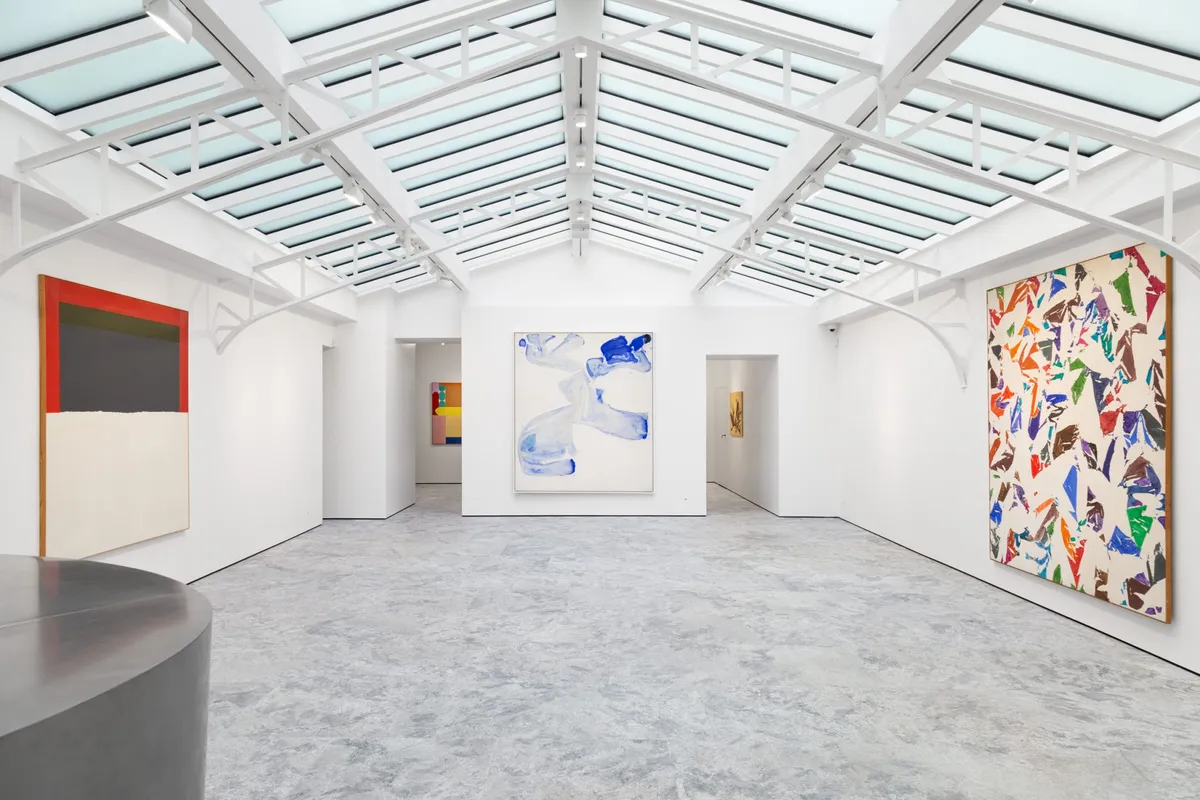
Lee Krasner

Born in Brooklyn; died in New York

Works to know: The Seasons, 1957 (Whitney Museum of American Art, New York); Gaea, 1966 (Museum of Modern Art, New York)

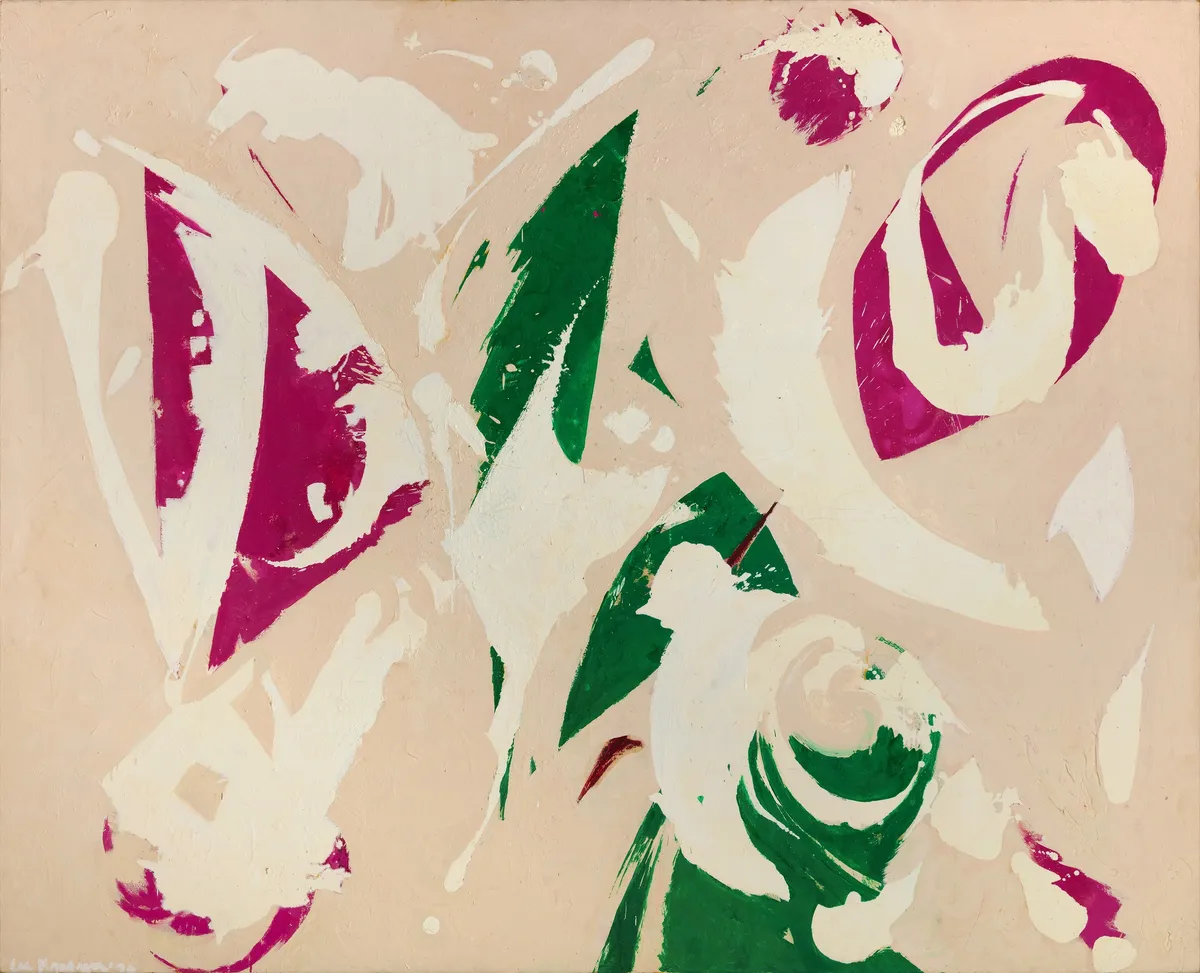
Born Lena Krassner, she studied with Hans Hofmann from 1937 and was an abstract painter of standing before she married Jackson Pollock in 1945. For decades she was seen as his widow; the critic Robert Hughes called her the Mother Courage of Abstract Expressionism. The Museum of Modern Art gave her a retrospective six months after her death, one of only a handful it had given a woman.

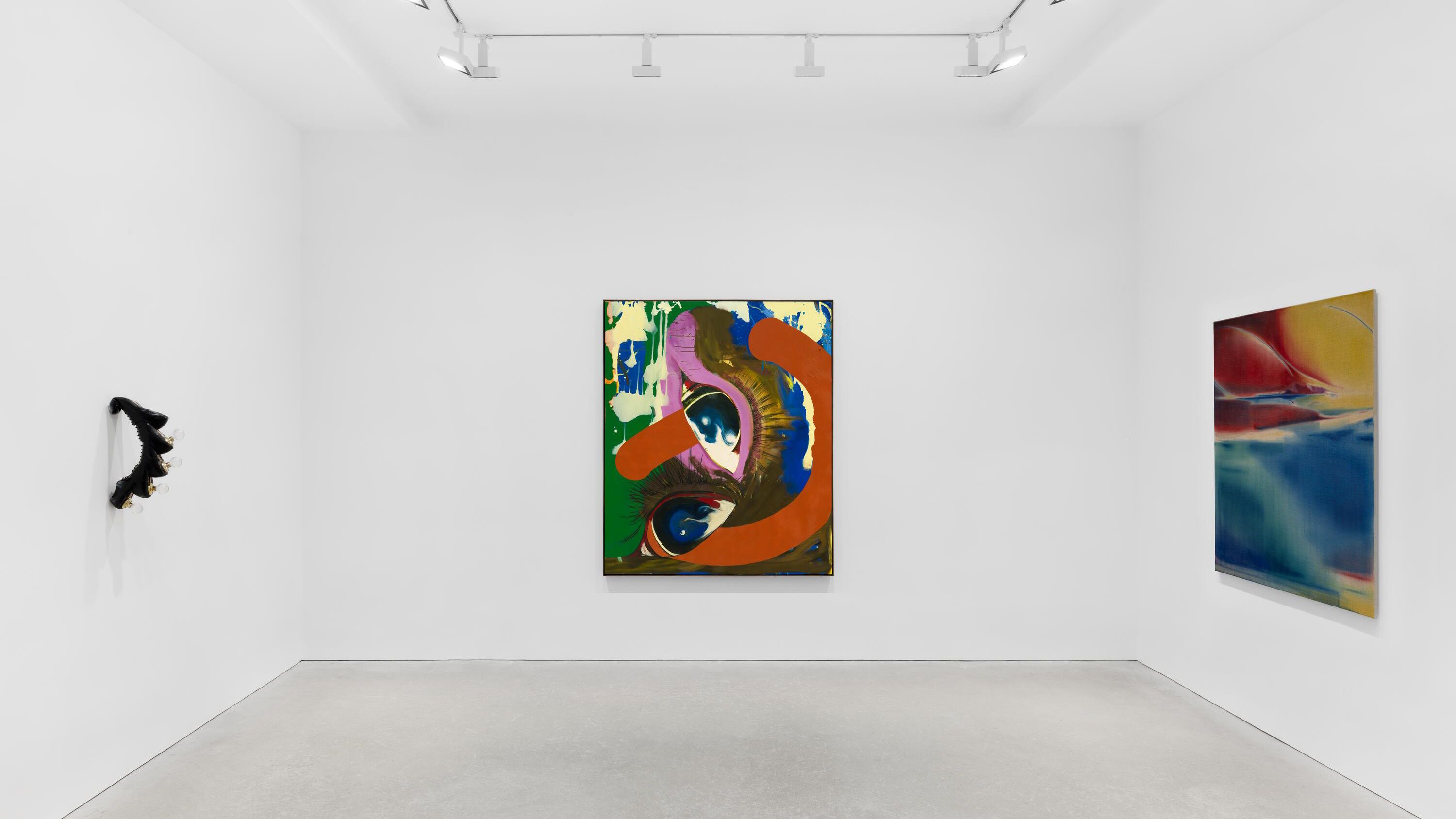
Comet, 1966–70
Comet, 1966–70. Oil on canvas, 70 × 86 inches. © 2026 Pollock-Krasner Foundation/Artists Rights Society (ARS), New York. Photo: Christopher Stach, courtesy Olney Gleason, New York. In Lee Krasner: Works from the 1960s, Gagosian, rue de Ponthieu, Paris.

16 / 26Canadian-born American · 1912–2004

Agnes Martin

Born in Macklin, Saskatchewan; died in Taos, New Mexico

Works to know: Morning, 1965 (Tate, London); The Islands, 1979 (Whitney Museum of American Art, New York)

Martin painted grids and bands of pale color, ruled in pencil, so quiet that they seem to hum. She saw herself as an Abstract Expressionist, though she is usually called a Minimalist. She left New York in 1967, stopped painting for some years and settled in New Mexico, where she worked for the rest of her life; she won the Golden Lion at the Venice Biennale in 1997.

17 / 26American · 1925–1992

Joan Mitchell

Born in Chicago; died in Neuilly-sur-Seine, near Paris

Works to know: City Landscape, 1955 (Art Institute of Chicago); Hemlock, 1956 (Whitney Museum of American Art, New York)

The great painter of the second generation of Abstract Expressionists showed in the Ninth Street Show of 1951 and in 1967 bought an estate at Vétheuil, outside Paris, where she painted her big, churning landscapes of memory for the rest of her life. A retrospective opened at SFMOMA in 2021. Her Untitled of about 1959 made $29.2 million at Christie’s in 2023.

18 / 26American · 1928–2011

Helen Frankenthaler

Born in New York; died in Darien, Connecticut

Work to know: Mountains and Sea, 1952 (National Gallery of Art, Washington, on loan from the Helen Frankenthaler Foundation)

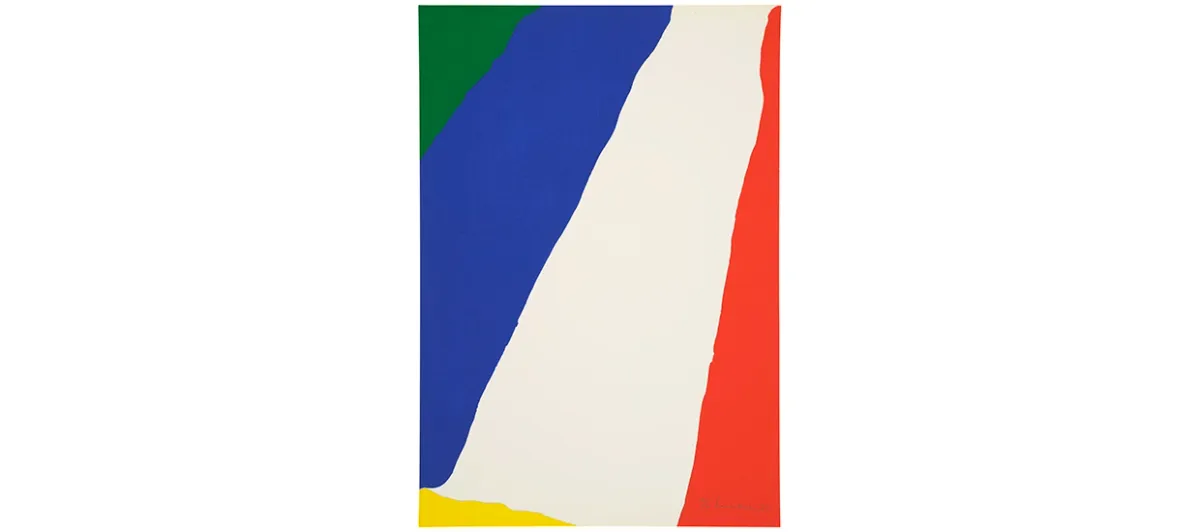
At 23 Frankenthaler poured thinned oil paint onto raw canvas laid on the floor and let it soak in. The result, Mountains and Sea, was taken up by Morris Louis and Kenneth Noland and became the starting point of color field painting; Louis called it “a bridge between Pollock and what was possible.” She kept remaking the method for sixty years.
Let The Picture Lead: Helen Frankenthaler and Her Circle at Lowe Art Museum
Let The Picture Lead: Helen Frankenthaler and Her Circle. Gift of the Helen Frankenthaler Foundation. In Let The Picture Lead: Helen Frankenthaler and Her Circle, Lowe Art Museum, Miami.

19 / 26Japanese · 1929–2026

Yayoi Kusama

Born in Matsumoto, Japan; died in Tokyo on August 14, 2026

Works to know: No. I.Z, 1960 (Art Institute of Chicago); Infinity Mirror Room—Phalli’s Field, 1965 (Museum Boijmans Van Beuningen, Rotterdam)

Kusama came to New York in 1958 and made her name with the Infinity Net paintings, endless loops of tiny brushstrokes, and then with soft sculpture, happenings and the first of her mirrored Infinity rooms. She went back to Japan in 1973 and from 1977 lived, by choice, in a psychiatric hospital in Tokyo, working every day in a studio nearby. Polka dots, pumpkins and mirror rooms made her one of the most popular artists in the world. She died on August 14, 2026, at 97; her studio said she painted until her last days.
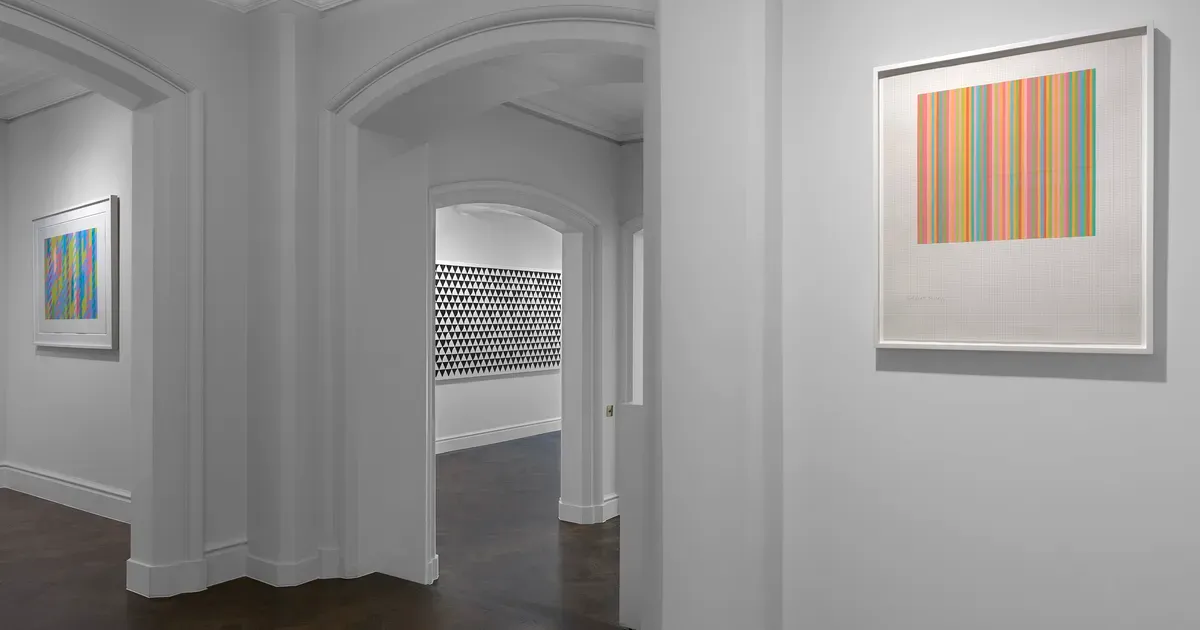
20 / 26British · Born 1931

Bridget Riley

Born in London; lives in London, Cornwall and the Vaucluse

Works to know: Movement in Squares, 1961 (Arts Council Collection, London); Fall, 1963 (Tate, London)

  • On view: Bridget Riley · Hazlitt Holland-Hibbert, London · Through Nov 27
  • On view: Cezanne et nous (group show) · Grand Palais – Galeries nationales, Paris · Through Jan 17, 2027

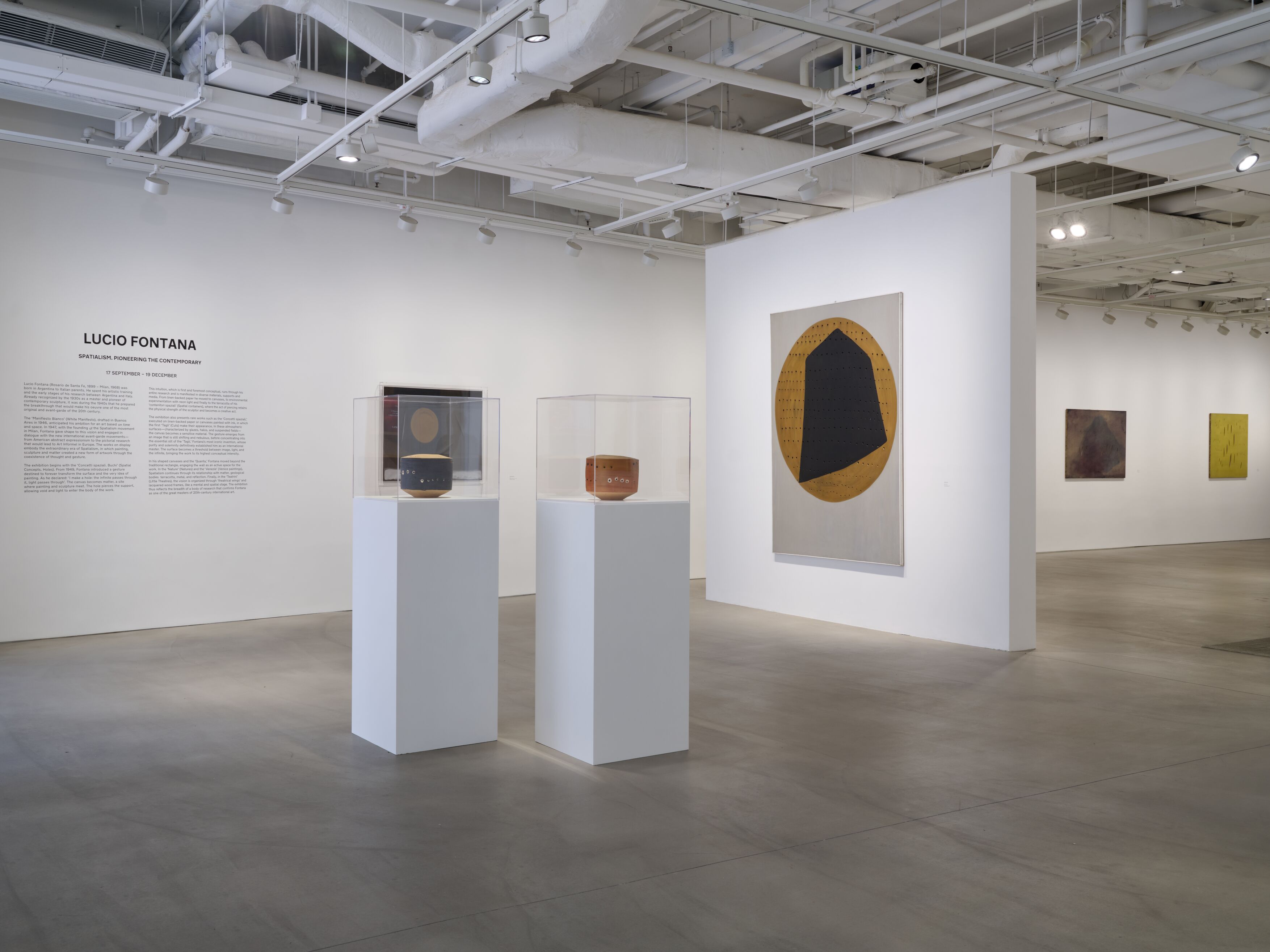
Riley’s black-and-white paintings of the early 1960s, lines and squares that seem to swell, ripple and flicker, made her the face of Op Art; her Current was on the cover of the Museum of Modern Art’s The Responsive Eye in 1965. She turned to color in 1967, and in 1968 became the first woman, and the first British painter, to win the International Prize for painting at the Venice Biennale.

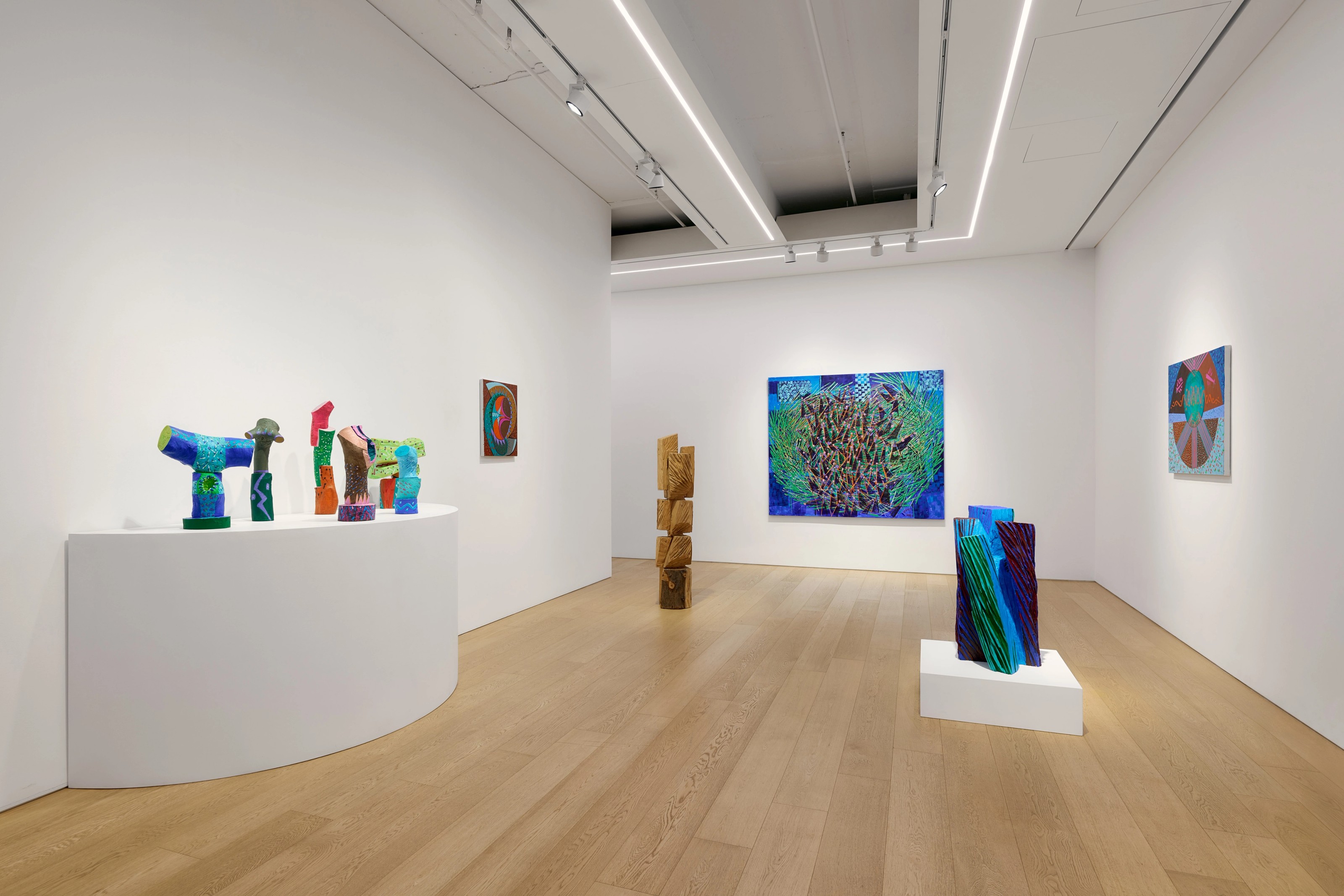
Installation view of Bridget Riley at Hazlitt Holland-Hibbert
Installation view, Bridget Riley, Hazlitt Holland-Hibbert.

21 / 26Portuguese-British · 1935–2022

Paula Rego

Born in Lisbon; died in London

Works to know: The Dance, 1988 (Tate, London); War, 2003 (Tate, London)

Rego studied at the Slade in London and turned fairy tales, nursery rhymes and stories into unsettling pictures of power, family and the female body. Her Abortion series answered Portugal’s 1998 referendum and is thought to have swayed the 2007 vote that legalized abortion there. In 1990 she became the National Gallery’s first Associate Artist, and the Casa das Histórias Paula Rego opened in Cascais in 2009.

Painting now5

Five painters working today whose pictures fill museums and set records.

22 / 26South African, based in the Netherlands · Born 1953

Marlene Dumas

Born in Cape Town; lives in the Netherlands

Works to know: Albino, 1986 (Art Institute of Chicago); The Last Supper, c. 1985–91 (Rijksmuseum, Amsterdam)

Dumas paints figures and faces in washes of thinned paint, often from photographs and Polaroids, on sexuality, race, guilt, innocence and grief. In May 2025 her Miss January sold for $13.6 million at Christie’s New York, the highest price at auction for a living woman artist.

23 / 26British · Born 1970

Jenny Saville

Born in Cambridge, England

Works to know: Propped, 1992 (private collection); Hem, 1999 (San Francisco Museum of Modern Art)

Saville was still a student at the Glasgow School of Art when Charles Saatchi offered her a contract, and her enormous nudes of unidealized flesh made her one of the Young British Artists. Propped, from her degree show, sold for £9.5 million in 2018, then a record for a living woman. The National Portrait Gallery in London gave her The Anatomy of Painting in 2025.

24 / 26Ethiopian-born American · Born 1970

Julie Mehretu

Born in Addis Ababa; lives in New York

Works to know: Stadia I, 2004 (San Francisco Museum of Modern Art); Mogamma, A Painting in Four Parts: Part 3, 2012 (Tate Modern, London)

Mehretu builds huge paintings in layers of architectural plans, maps and gestural marks, landscapes of cities, crowds and history in motion. She won a MacArthur Fellowship in 2005, and in 2021 the Whitney gave a whole floor to her retrospective. Her Walkers With the Dawn and Morning sold for $10.7 million in 2023, a record for an artist born in Africa.

25 / 26American · Born 1973

Amy Sherald

Born in Columbus, Georgia

Works to know: First Lady Michelle Obama, 2018 (National Portrait Gallery, Washington); A Certain Kind of Happiness, 2022 (Art Institute of Chicago)

Sherald paints Black Americans in everyday settings, their skin in shades of gray, against flat, saturated color. In 2016 she was the first woman and the first African American to win the National Portrait Gallery’s Outwin Boochever competition, and Michelle Obama chose her to paint her official portrait, unveiled in 2018. In July 2025 she withdrew her retrospective American Sublime from the same museum.

26 / 26British · Born 1977

Lynette Yiadom-Boakye

Born in London, of Ghanaian heritage; lives in London

Works to know: 10pm Saturday, 2012 (Tate, London); Sapphires Under Cotton, 2013 (San Francisco Museum of Modern Art)

Yiadom-Boakye paints portraits of people who do not exist, Black figures in muted, dark-toned settings outside any particular time, and calls herself a writer as much as a painter. She was shortlisted for the Turner Prize in 2013, won the Carnegie Prize in 2018, and Tate Britain gave her Fly In League With The Night in 2020–21.

Frequently asked questions

  • Who are the most famous female painters?

    Frida Kahlo, Georgia O’Keeffe and Yayoi Kusama are the best known worldwide. Through history: Sofonisba Anguissola and Artemisia Gentileschi in the Renaissance and Baroque; Élisabeth Vigée Le Brun in the eighteenth century; Rosa Bonheur, Berthe Morisot and Mary Cassatt in the nineteenth; Hilma af Klint, Tamara de Lempicka, Alice Neel and Leonora Carrington in the early twentieth; Lee Krasner, Joan Mitchell, Helen Frankenthaler, Agnes Martin, Bridget Riley and Paula Rego after 1945; and Marlene Dumas, Jenny Saville, Julie Mehretu and Amy Sherald today.

  • Who was the first famous woman painter?

    Sofonisba Anguissola (c. 1532–1625) was the first woman painter of the Renaissance to win fame across Europe: Michelangelo and Vasari praised her, and she was painter to the Spanish court. Artemisia Gentileschi became in 1616 the first woman admitted to Florence’s Accademia delle Arti del Disegno.

  • What is the most expensive painting by a woman?

    Frida Kahlo’s El sueño (La cama), of 1940, which sold for $54.7 million at Sotheby’s New York on November 20, 2025. It took the record from Georgia O’Keeffe’s Jimson Weed/White Flower No. 1, sold for $44.4 million in 2014. The most expensive painting by a living woman is Marlene Dumas’s Miss January, $13.6 million at Christie’s New York in May 2025.

  • Who were the women Abstract Expressionists?

    The best known are the five painters of Mary Gabriel’s book Ninth Street Women (2018): Lee Krasner, Elaine de Kooning, Grace Hartigan, Joan Mitchell and Helen Frankenthaler. Perle Fine, Mary Abbott and Sonia Gechtoff painted beside them. See the Abstract Expressionist artists.

  • Why are there fewer famous women painters?

    Linda Nochlin’s essay “Why Have There Been No Great Women Artists?”, published in ARTnews in January 1971, gave the answer art historians still start from: for centuries women were barred from the academies, from drawing the nude and from the commissions and patrons that made careers, and those who painted anyway were often forgotten or had their work credited to men, as Judith Leyster’s was to Frans Hals.

  • Where can you see paintings by women artists?

    The National Museum of Women in the Arts in Washington, which opened in 1987 and reopened after a renovation in October 2023, is the museum devoted to them. Every major museum now hangs them: Gentileschi at the Uffizi and the National Gallery in London, Morisot and Valadon at the Musée d’Orsay and the Centre Pompidou, O’Keeffe at the Art Institute of Chicago and her own museum in Santa Fe, Krasner and Neel at the Whitney. Shows on now are under each entry above.

For more of the painters here and their circles, see the Abstract Expressionist artists, famous abstract artists and famous living artists.

How this list was made

Twenty-six painters, chosen for their place in the history of painting and for how widely their work is known and shown today, and kept to painters (Louise Bourgeois, a sculptor, is not here). Dates and places of birth and death are those Wikipedia gives on October 22, 2026; where they are disputed, the entry says so (Anguissola’s death, 1625 or 1629; de Lempicka’s birth, 1894 or 1898). The works named are in the collections given, from the museums’ own records where they could be opened. Prices are auction prices with the buyer’s premium.

Sources

Published ; the text was last revised on , from the sources listed above. The shows named as on view, and their pictures, are those in On View’s listings as the page was built.