Showing the guide The 10 best museum shows in Rome this autumn

View MapMapArtistsEditorial

Rome · Best shows

The 10 best museum shows in Rome this autumn

Pontormo at the Scuderie del Quirinale, the Tomba François frescoes at Villa Giulia, Ileana Sonnabend’s collection at the Palazzo delle Esposizioni, Kandinsky from the Pompidou and Miriam Cahn at MACRO: the museum exhibitions to see in Rome this autumn, and when they close.

By On View · Updated · 10 shows

  • Rome
  • Exhibitions
  • Autumn 2026
  • Museums
  • Pontormo
  • Old masters
  • Contemporary art
  • What to see

Rome’s museum season is at its fullest from late October into December. Pontormo opened at the Scuderie del Quirinale and Richard Avedon at the Palazzo delle Esposizioni on October 9, Sophie Calle at MAXXI on October 16, and on October 20 a Titian altarpiece from Treviso Cathedral arrived at the Galleria Borghese. November brings Ileana Sonnabend’s collection to the Palazzo delle Esposizioni on the 3rd, Gordon Matta-Clark and Shirin Neshat to MAXXI on the 13th and Marina Abramović to the Galleria Nazionale on the 18th. And at Villa Giulia, the frescoes of the Tomba François, bought by the Italian state this year, have been on view since July.

These are the ten museum exhibitions we would plan a visit around, in order, chosen for the work, with dates and addresses from our listings and a link to each show’s own page, where the pictures are. Nine more follow, then what closes when, what opens in November, and where a time slot has to be booked. For the city’s galleries, see the best gallery shows in Rome and the 10 best contemporary art galleries in Rome.

1 / 10Scuderie del Quirinale · Trevi

Solo exhibitionPontormo

Oct 9, 2026 – Feb 7, 2027Through Feb 7, 2027

Scuderie del QuirinaleVia XXIV Maggio 16Open Daily 10–8

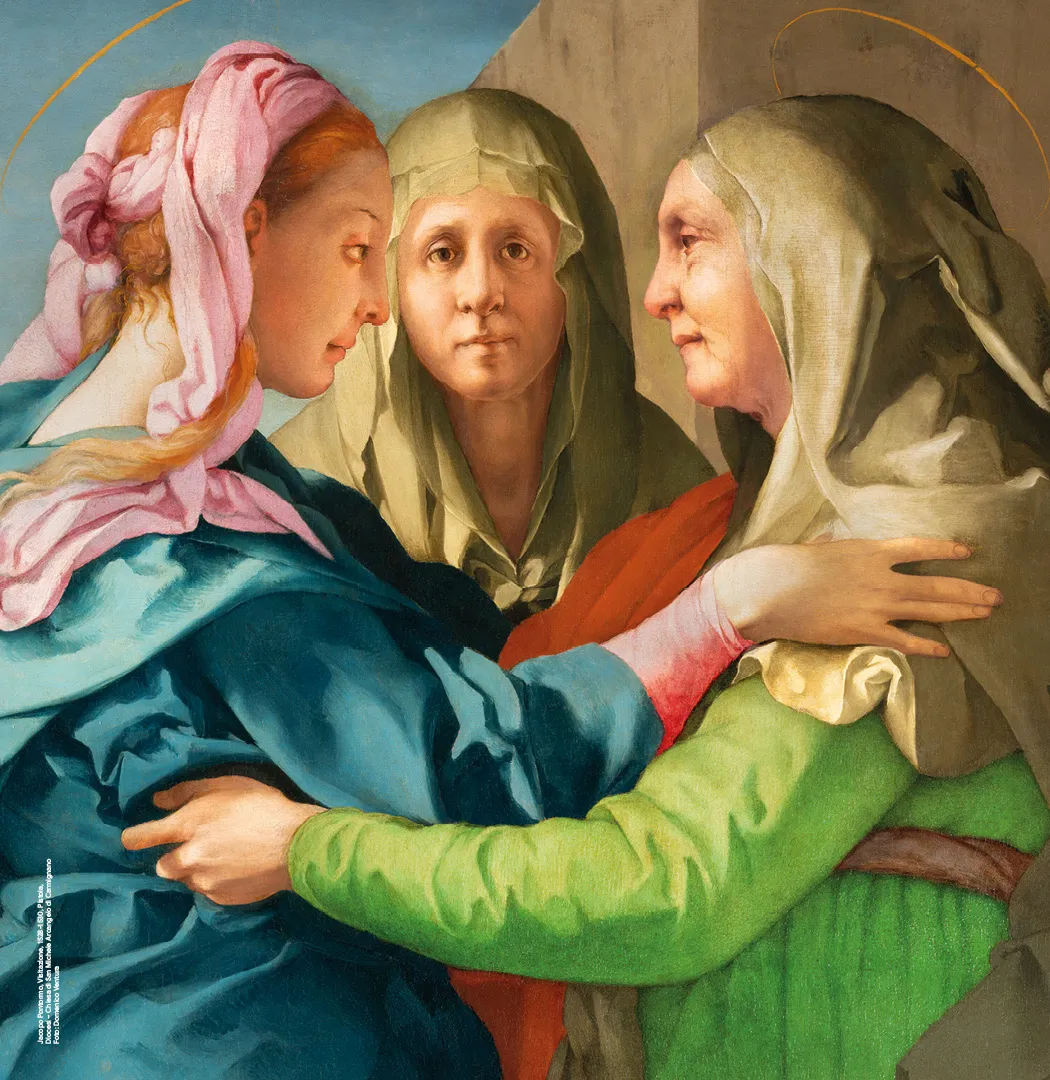
Pontormo (1494–1557) has never had a monographic exhibition this large outside Florence: more than 130 works, 84 of them his, lent by the Uffizi, the Louvre, the National Gallery in London, the Met and the Getty among others. The route is broadly chronological. It opens with the Visitation he frescoed in the Santissima Annunziata in 1514–16, passes through four of the five lunettes of the Passion from the Certosa del Galluzzo, the portraits, the drawings and his late diary, reaches the Deposition from the Capponi chapel in Santa Felicita, lent out of its church, and ends with the Visitation from Carmignano, of around 1528–32, in a room of its own.

Through February 7, 2027, every day from 10 to 8, with last entry at 7 and shorter hours over Christmas and New Year’s. A full ticket is €18, €12 under 30, plus €2.50 to book online. Reviewing it for Finestre sull’Arte, Federico Giannini found the show rigorous and close to complete, though he regrets the Deposition’s removal from Santa Felicita. Over the same months, Bill Viola’s The Greeting, a 45-second encounter of two, then three, women filmed in slow motion after the Carmignano Visitation, plays among the early medieval frescoes of Santa Maria Antiqua, in the Roman Forum.
The show

The Visitation
The Visitation. Jacopo Pontormo.

2 / 10Museo Nazionale Etrusco di Villa Giulia · Valle Giulia

Il Ritorno degli Eroi

Jul 1 – Dec 31, 2026Through Dec 31

Museo Nazionale Etrusco di Villa GiuliaPiazzale di Villa Giulia 9Open Tue–Sun 8:30–7:30

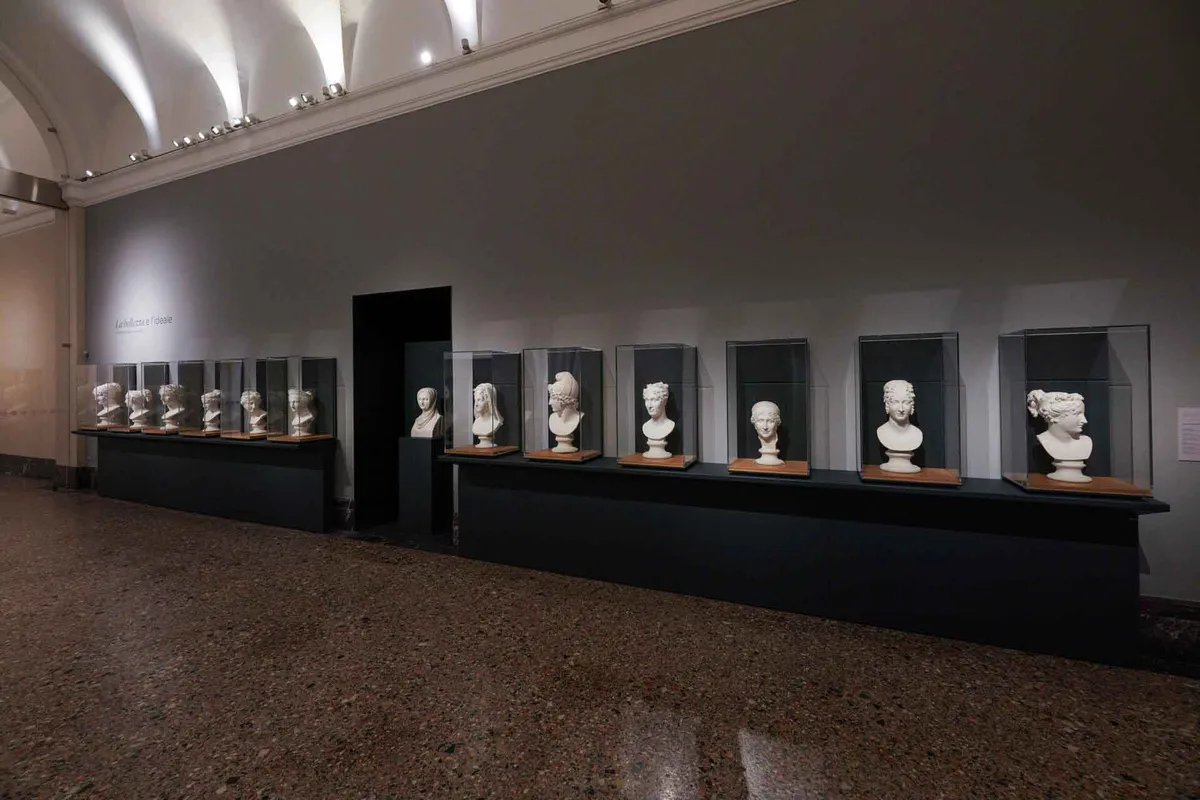
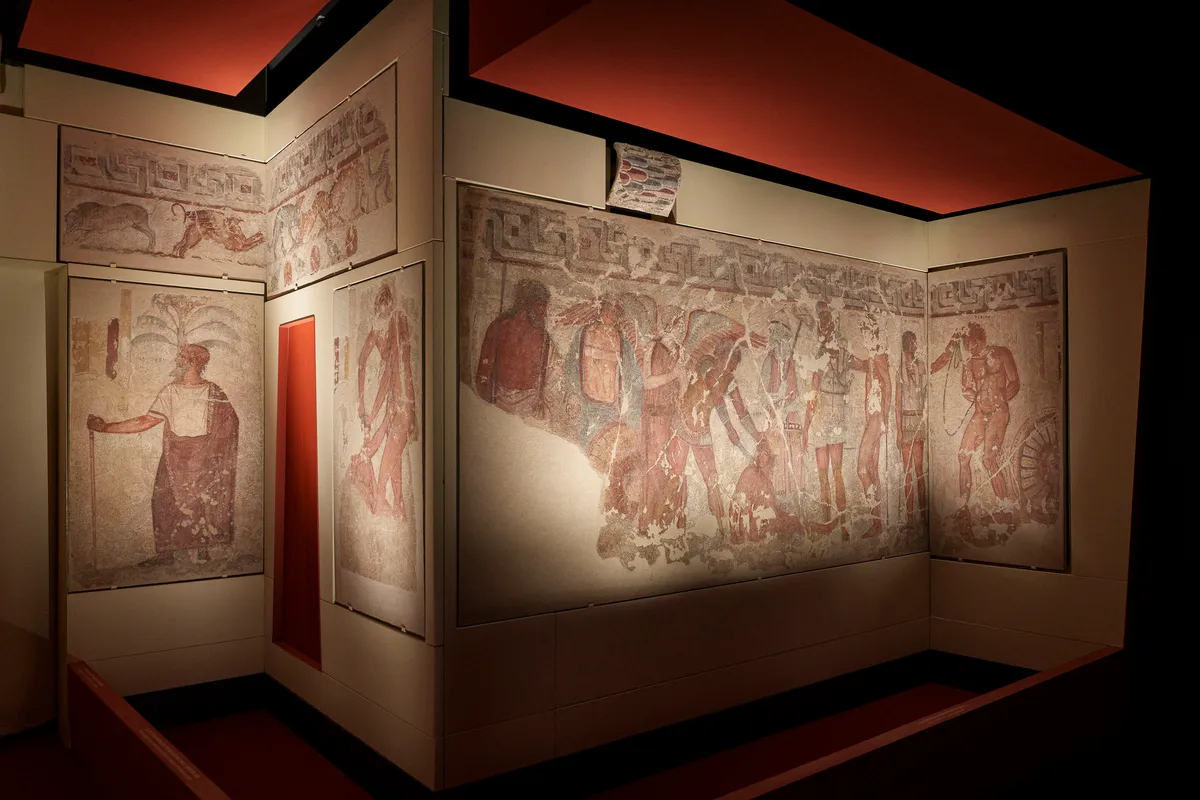
The Tomba François, found at Vulci in 1857, was painted between 340 and 320 BC for the Saties family, and for more than a century and a half its detached frescoes stayed in private hands. Bought by the state this year from the heirs of the Torlonia, Sforza Cesarini and Gaetani families, they are set out at Villa Giulia as they were in the tomb: Trojan prisoners sacrificed at the funeral of Patroclus, and Macstarna, the future king Servius Tullius, freeing Caelius Vibenna. Il Ritorno degli Eroi, the return of the heroes, brings back the tomb’s grave goods, the Saties women’s earrings and a gold ring with Cassandra from the Louvre among them.
The exhibition, with loans also from the British Museum and the Vatican Museums, runs through December 31; the frescoes stay, now part of the museum’s collection. Both are in the museum ticket, but the tomb is seen only by booked slot, in groups of up to thirty every twenty minutes, and it is closed on the free first Sundays of the month and on November 4. Also at Villa Giulia: Dayanita Singh’s Archivio, more than 350 photographs on sixteen wooden structures, until January 3, 2027, and Mouna Rebeiz’s L’indovino, until November 29.
The show

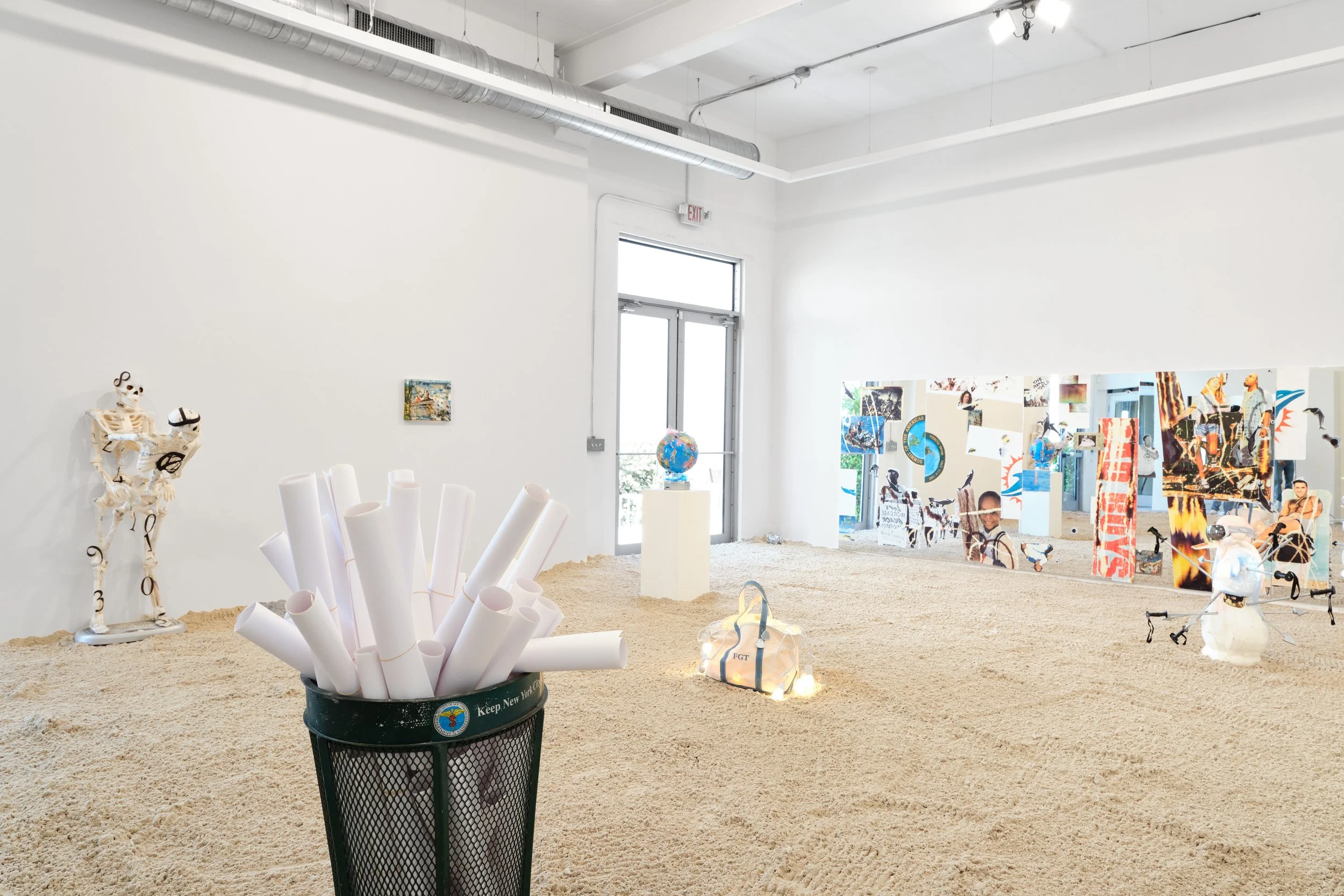
Installation view of Il Ritorno degli Eroi at Museo Nazionale Etrusco di Villa Giulia
Installation view, Il Ritorno degli Eroi, Museo Nazionale Etrusco di Villa Giulia.

3 / 10Palazzo delle Esposizioni · Monti

Fireworks. Ileana Sonnabend e il boom dell’arte contemporanea

Nov 3, 2026 – Apr 4, 2027Through Apr 4, 2027Piano nobile

Palazzo delle EsposizioniVia Nazionale 194Open Tue–Sun 10–8

Ileana Sonnabend (1914–2007) carried art both ways across the Atlantic. At her gallery in Paris, open from 1962 to 1980, she showed Jasper Johns, Robert Rauschenberg and Andy Warhol; in New York, from 1970, she introduced Giulio Paolini, Mario Merz and Jannis Kounellis. Mario Codognato’s exhibition gathers more than fifty works from her collection and others, many never seen in Italy, in eight rooms of the main floor, from Pop to Arte Povera, Minimalism and Neo-Geo: Johns’s Figure 8, Lichtenstein’s Wall Explosion II, Warhol’s Nine Jackies and Rauschenberg’s Kite, among 35 artists who run from Twombly, Manzoni and Pistoletto to Nauman, Serra and Koons.

It opens on Tuesday, November 3, and runs until April 4, 2027; the city of Mantua co-organized it, and a companion display there shows more of the Sonnabend Collection. From November 3 one ticket, €15 or €12 reduced, covers it and Richard Avedon’s In the American West, and guided tours in Italian, for €5, are on Saturdays at 5:30 and Sundays at 12:30. The Palazzo, on Via Nazionale, is open Tuesday to Sunday from 10 to 8, and free for under-30s on the first Wednesday of the month from 2 pm.

The show

4 / 10Palazzo Bonaparte · Piazza Venezia

Solo exhibitionKandinsky

Sep 15, 2026 – Feb 14, 2027Through Feb 14, 2027

Palazzo BonapartePiazza Venezia 5Open Mon–Thu 9–7:30, Fri–Sun 9–9

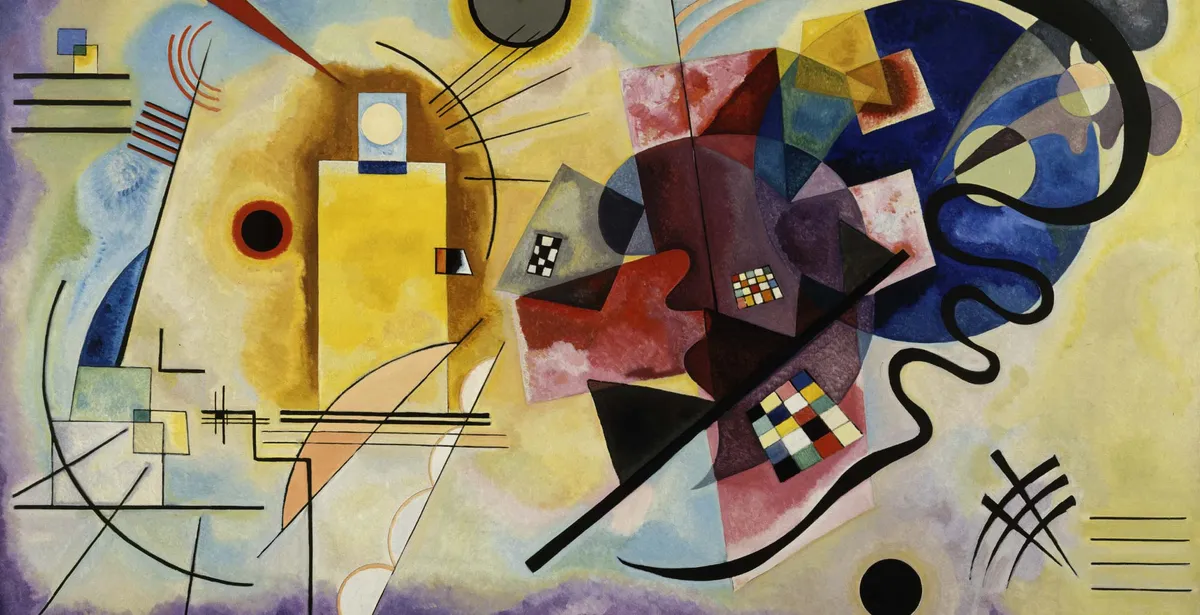
Nina Kandinsky’s gifts and bequest are the core of the Centre Pompidou’s Kandinsky collection, and with the Paris museum closed for renovation, more than seventy works have come from it to Rome, the city’s first large Kandinsky exhibition in over twenty-five years. Angela Lampe of the Pompidou follows him in five sections, from a lawyer’s career in Moscow through Munich and the Blaue Reiter, revolutionary Russia, the Bauhaus and the last years in Paris: from early pictures such as Park von Saint-Cloud (1906) to Black Arc (1912), a turning point on the way to abstraction, and Gelb-Rot-Blau (1925). Gabriele Münter, his companion for more than ten years, is shown in Italy for the first time.

Through February 14, 2027, at Palazzo Bonaparte on Piazza Venezia, Monday to Thursday from 9 to 7:30 and Friday to Sunday from 9 to 9; the ticket office closes an hour before. Tickets, an open ticket among them, are sold online through ticket.it. Arthemisia, which organized the show with the Pompidou, has added an immersive room on his ideas of color and music, and letters, photographs and objects from the Bibliothèque Kandinsky fill in the life.

The show

Vassily Kandinsky, Gelb-Rot-Blau (Jaune-rouge-bleu), 1925
Vassily Kandinsky, Gelb-Rot-Blau (Jaune-rouge-bleu), 1925. Oil on canvas, 128 × 201.5 cm. Gift of Nina Kandinsky, 1976. Centre Pompidou, Paris, Musée national d’art moderne – Centre de création industrielle.

5 / 10MACRO · Salario

Miriam CahnCiò che mi guarda

Jun 11 – Nov 15, 2026Closed Nov 15

MACROVia Nizza 138Open Tue–Fri 12–7, Sat–Sun 10–7

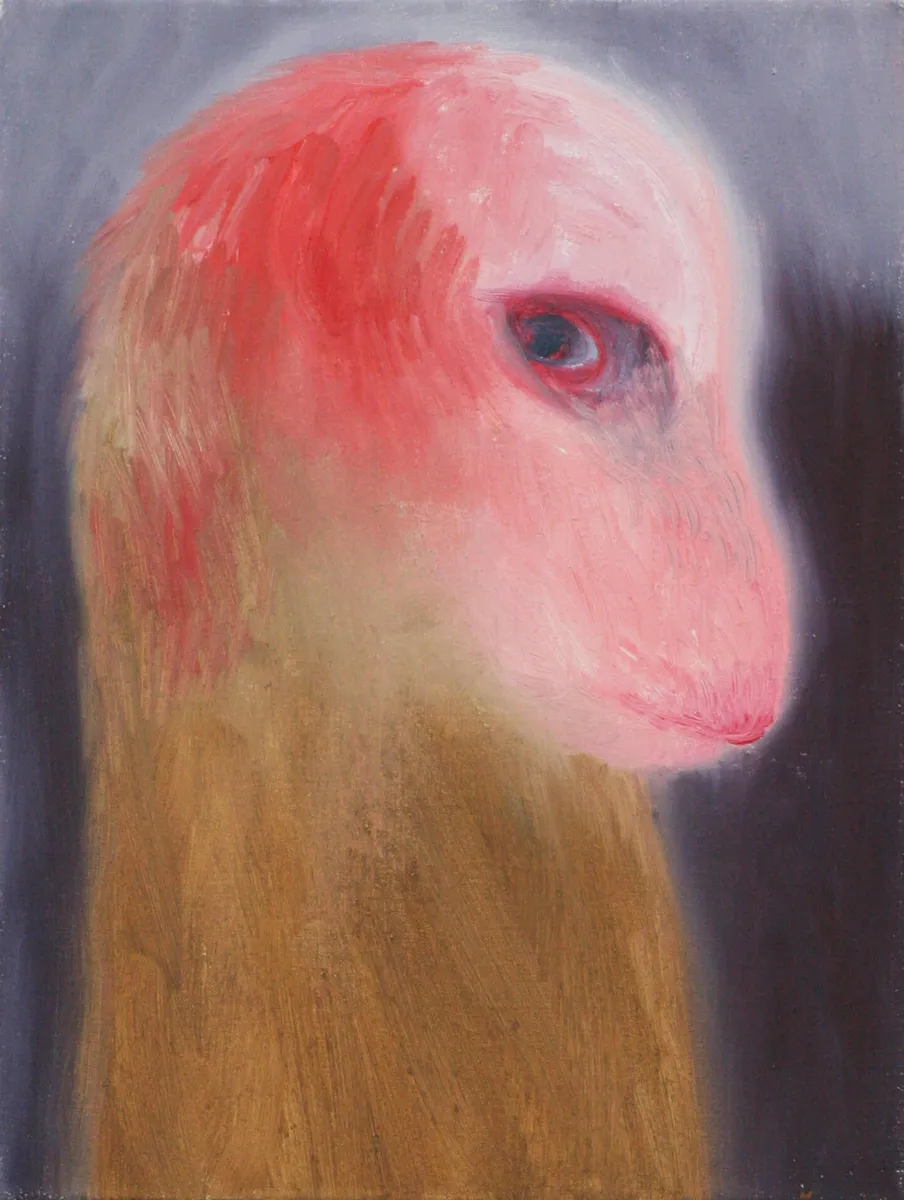
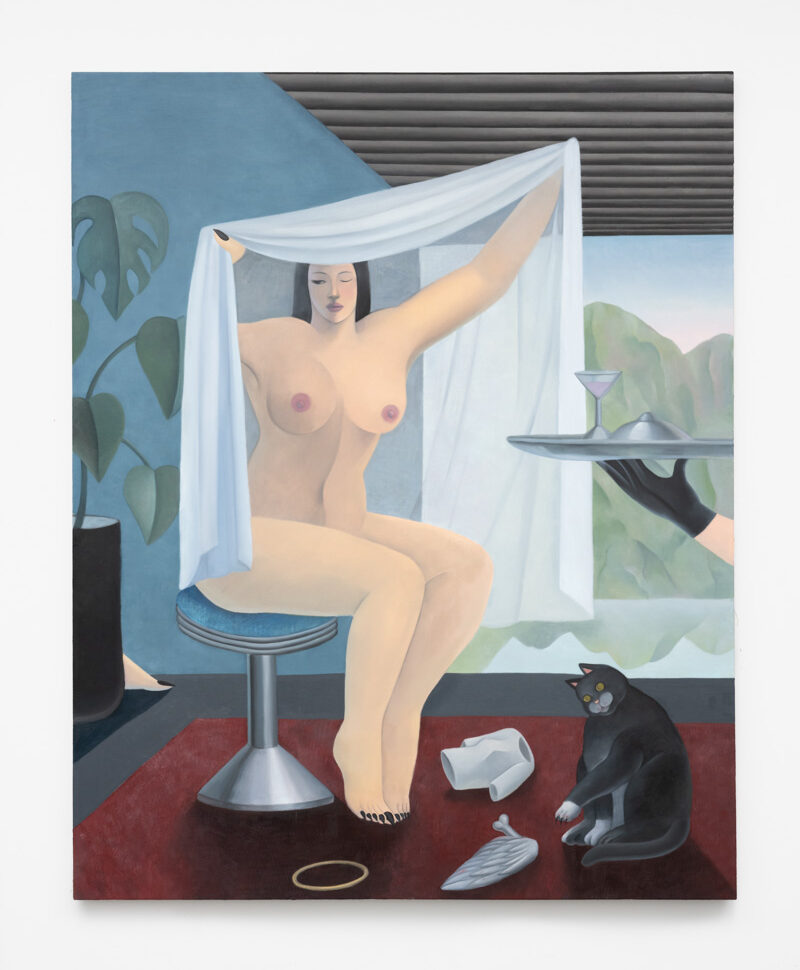
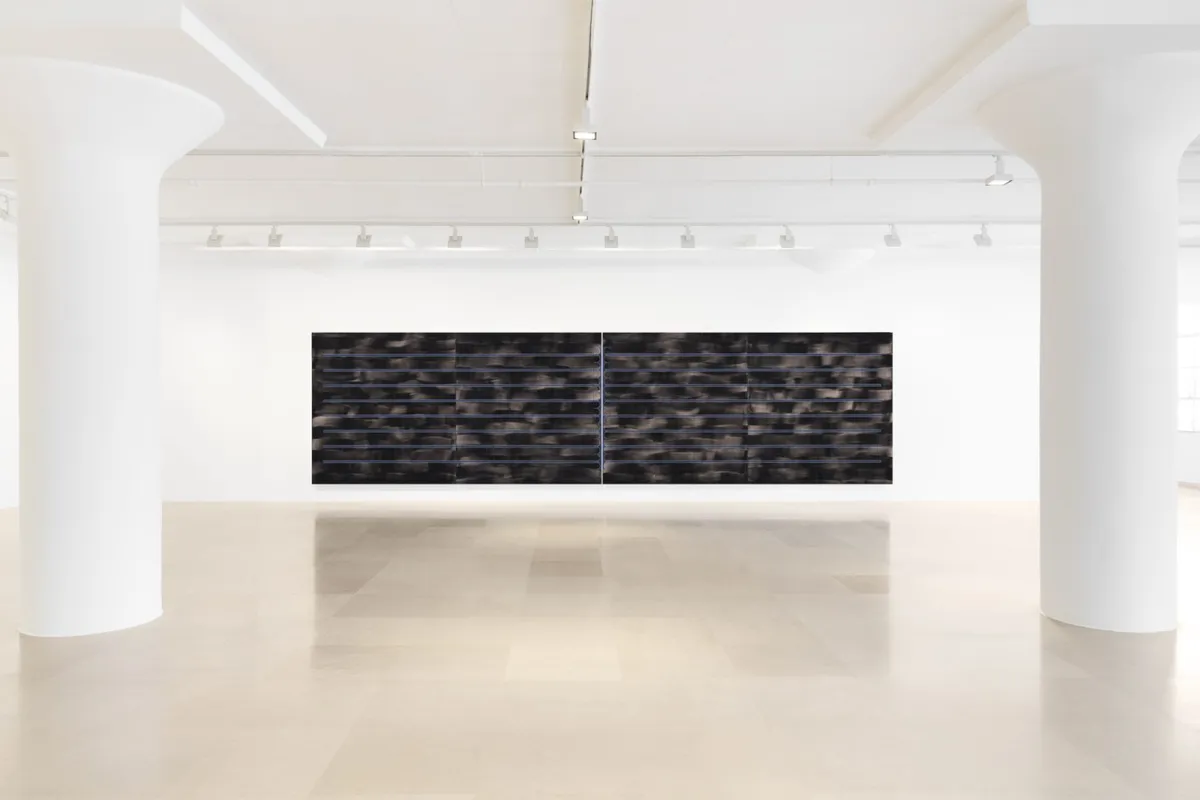
What looks at me: more than a hundred works from the late 1970s to now, in the first large museum retrospective of Miriam Cahn in Italy. Cristiana Perrella, MACRO’s artistic director, hangs them by theme rather than date in the 1,400-square-meter main hall, from the big charcoals on paper of her early career and the watercolors of the atom bomb from the 1980s and early ’90s to recent paintings on canvas. Two rooms are installations of their own: Familienraum (1996–2009), twelve oils and four drawings of her relatives and inner landscapes, and Herumliegen (2022), lying around, her answer to Russia’s invasion of Ukraine. Didier Fiúza Faustino designed the exhibition.

It closes on Sunday, November 15, so it comes first in any plan. MACRO, on Via Nizza, is open Tuesday to Friday from noon to 7 and on weekends from 10, with last entry half an hour before closing. Marialba Russo’s Sguardo rovescio, seven series of photographs from the 1970s, among them 130 men seen from behind, stays until January 31, 2027; Hito Steyerl’s Mechanical Kurds ends on Sunday, November 1.

The show

Miriam Cahn: Ciò che mi guarda at MACRO
Miriam Cahn: Ciò che mi guarda.

6 / 10Palazzo delle Esposizioni · Monti

Richard AvedonIn the American West. 1979–1984

Oct 9, 2026 – Jan 31, 2027Through Jan 31, 2027

Palazzo delle EsposizioniVia Nazionale 194Open Tue–Sun 10–8

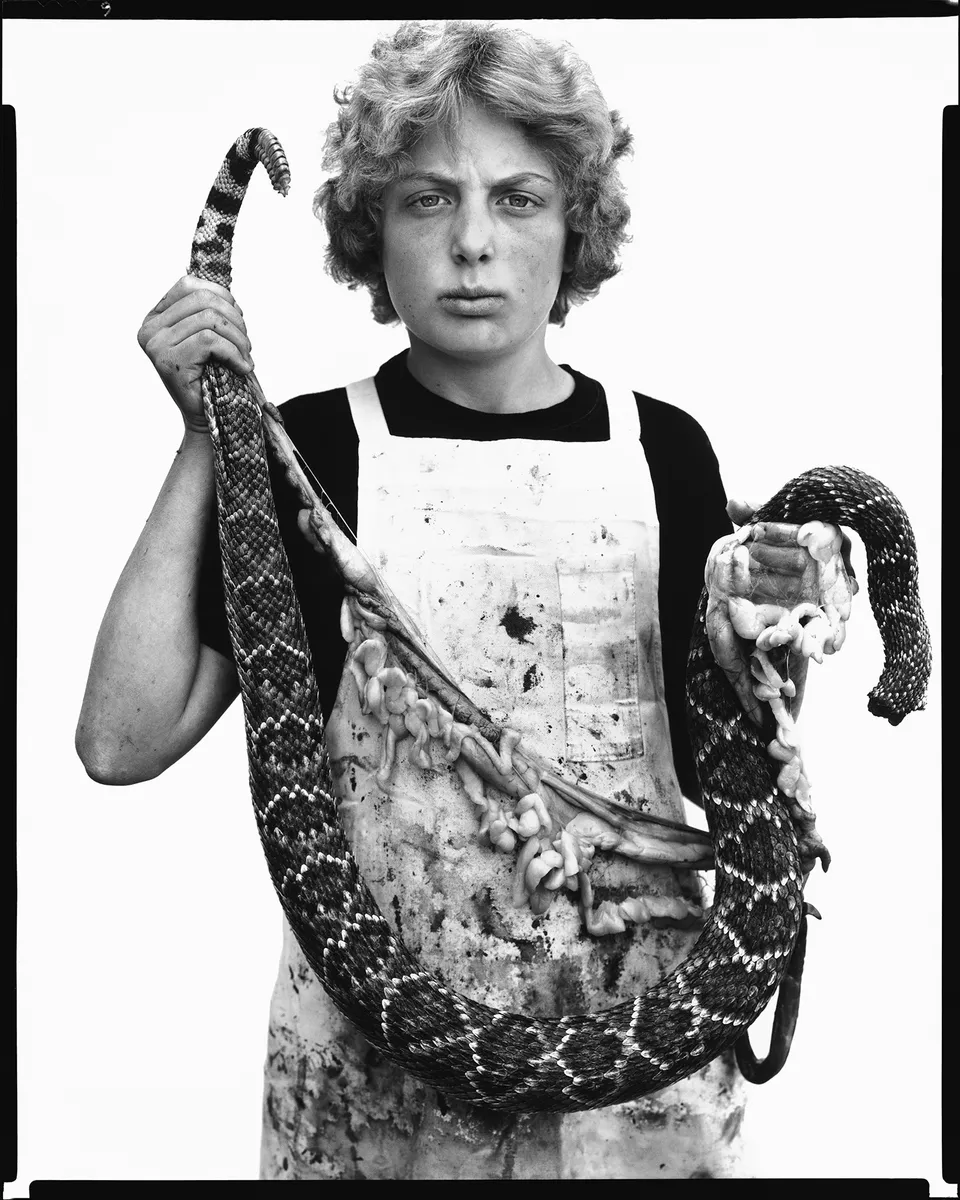
The Amon Carter Museum in Fort Worth commissioned the series in 1979, and every summer until 1984 Avedon traveled the American West looking for people who are not famous, at truck stops, fairs, rodeos, oil fields, mining camps and slaughterhouses: ranch hands, miners, waitresses, drifters, carnival workers, the unemployed. He photographed more than a thousand of them, each before a white backdrop hung outdoors in the shade, with no artificial light. All 110 prints made for the 1985 book are here, Boyd Fortin, thirteen-year-old rattlesnake skinner, and four coal miners at Reliance, Wyoming, among them, with Polaroids, files on sitters and letters to them from the Richard Avedon Foundation.

Through January 31, 2027, Tuesday to Sunday from 10 to 8. Clément Chéroux, director of the Fondation Henri Cartier-Bresson, which organized the show, is its curator. Until November 1 the entrance is up the stairs at Via Milano 9a and a ticket is €12; from November 3 it is €15 and also covers Fireworks, the Sonnabend collection on the main floor. Guided tours in Italian are on Saturdays at 4 and Sundays at 11, for €5.

The show

Richard Avedon, Boyd Fortin, thirteen year old rattlesnake skinner, Sweetwater, Texas, March 10, 1979, 1979
Richard Avedon, Boyd Fortin, thirteen year old rattlesnake skinner, Sweetwater, Texas, March 10, 1979, 1979. In the American West (1985), texts by Richard Avedon and Laura Wilson. Photographs by Richard Avedon © The Richard Avedon Foundation.

7 / 10Galleria Borghese · Villa Borghese

TitianDialoghi tra Sacro e Profano

Oct 20 – Dec 8, 2026Through Dec 8

Galleria BorghesePiazzale Scipione Borghese 5Open Tue–Sun 9–7

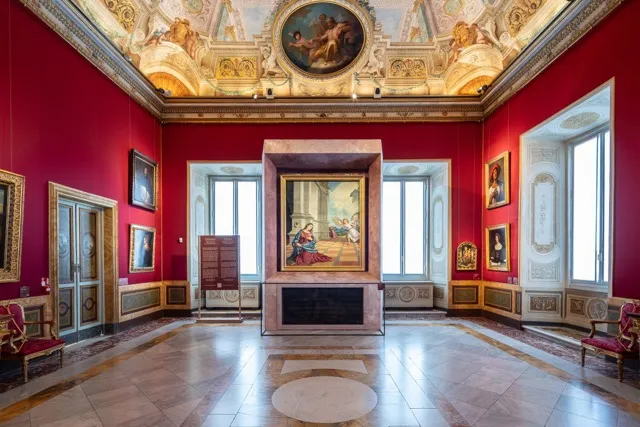
Titian painted his Annunciation for the chapel the canon Broccardo Malchiostro built in Treviso Cathedral, the one Pordenone frescoed. While those frescoes are restored, the panel has come to Rome, and the conservation it was given before the journey uncovered an inscription with a date, Titian’s signature and a reference to the commission. Maria Giovanna Sarti’s small dossier exhibition, for the 450th anniversary of the painter’s death, sets it for the first time beside the Titians of the Borghese collection, Sacred and Profane Love, of about 1514, among them. It follows Dialoghi di Natura e di Amore, the museum’s show of 2022, which brought Vienna’s Nymph and Shepherd here.

Through Tuesday, December 8. The Borghese lets visitors in only with a ticket booked ahead, free ones included, for a two-hour visit starting on the hour, the last at 5:45; it is open Tuesday to Sunday from 9 to 7. A full ticket is €16, and can cost more during exhibitions; it is €2 for visitors from 18 to 25. On the first Sunday of the month, and December 6 is the last during the show, entry is free but must still be booked, for €2, from ten days ahead.

The show

Installation view of Titian: Dialoghi tra Sacro e Profano at Galleria Borghese
Installation view, Titian: Dialoghi tra Sacro e Profano, Galleria Borghese.

8 / 10Musei Capitolini · Campidoglio

Diego Rivera e la costruzione dell’arte moderna in Messico nel XX secolo

Jun 9, 2026 – Jan 17, 2027Through Jan 17, 2027Villa Caffarelli

Musei CapitoliniPiazza del Campidoglio 1Open Daily 9:30–7:30

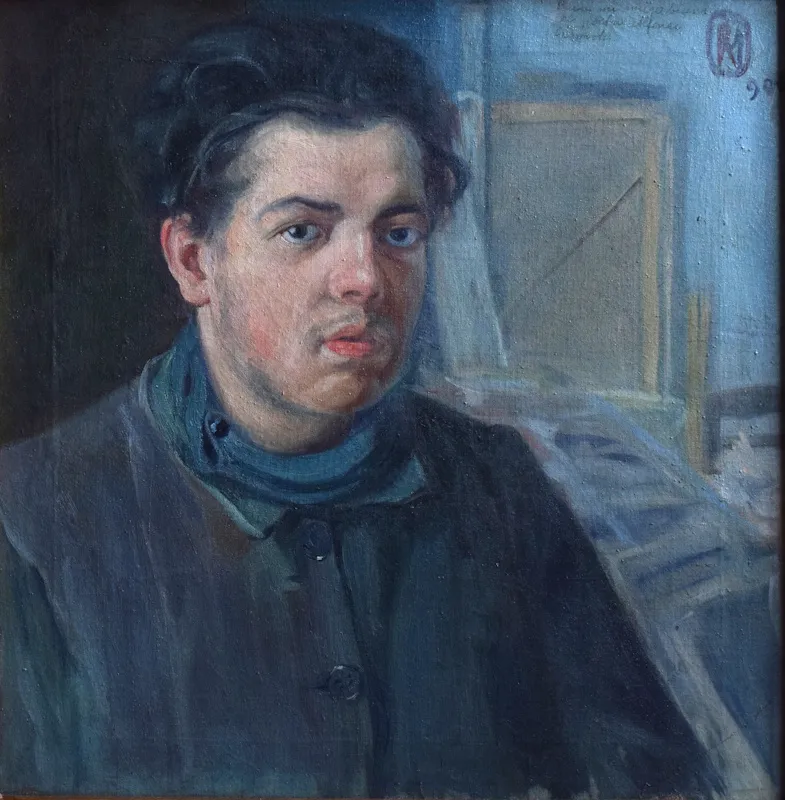
Diego Rivera and the making of modern art in Mexico: more than 140 works, thirty of them Rivera’s, made with the Museo Kaluz in Mexico City. Four sections follow his academic training, his European years among the avant-gardes, the cultural renaissance after the Revolution and the paths taken beyond social realism; among the Riveras are a self-portrait of 1906, Adoración de la Virgen (1912–13) and Mujer sentada con flores (1944), with Zinoviev’s 1913 portrait of him. Around him are Frida Kahlo, with Naturaleza muerta con perico y bandera (1951), Orozco, Siqueiros, María Izquierdo, Tamayo, Dr. Atl and Saturnino Herrán, and Tina Modotti’s photographs of Rivera.

At Villa Caffarelli, on the Capitoline, every day from 9:30 to 7:30, with last entry an hour before closing, through Sunday, December 13. Miguel Fernández Félix, the Kaluz’s director, and Alberto González Torres are the curators, and the show has its own ticket, €15 or €13 reduced. In the garden, free until December 31, stands Il Colosso di Costantino; inside the museums, on a separate ticket, are Angeli, with Pietro da Cortona’s Guardian Angel of 1656, until January 10, 2027, and Il non finito, on the unfinished paintings of the Pinacoteca, until January 4, 2027.

The show

Diego Rivera, Autorretrato, 1906
Diego Rivera, Autorretrato, 1906.

9 / 10MAXXI · Flaminio

Sophie CalleMatrimoni, Rotture e Funerali inclusi

Oct 16, 2026 – Feb 7, 2027Through Feb 7, 2027Gallery 2

MAXXIVia Guido Reni 4AOpen Tue–Sun 11–7

Weddings, break-ups and funerals included: Sophie Calle’s first survey in Rome gathers eight projects made between 1978 and 2026 around endings, of a love, a life, a plan. The earliest is The Graves, begun in 1978 among headstones inscribed Brother and Sister in Bolinas, California. With it are Exquisite Pain, more than two hundred photographs and texts that count down to a separation and then set it beside other people’s worst moments; a Catalogue raisonné of the unfinished; a video at her mother’s deathbed that fails to catch the moment of death; and Voir la mer (2011), people in Istanbul seeing the sea for the first time.

Through February 7, 2027, in Gallery 2, curated by Simona Antonacci; MAXXI is open Tuesday to Sunday from 11 to 7. A ticket is €15, €14 online, or €10 online until November 12, and free under 18. Calle has also made the museum’s first permanent work beyond its own walls, a tomb for the secrets of travelers in Rome’s Non-Catholic Cemetery. Tatiana Bilbao’s Campo aperto is in the Claudia Gian Ferrari hall, and on November 13 Gordon Matta-Clark and Shirin Neshat open.

The show

Sophie Calle, Autobiografie, Infarto silenzioso, 2017
Sophie Calle, Autobiografie, Infarto silenzioso, 2017. © Sophie Calle / SIAE (Roma, 2026). Courtesy the artist and Perrotin.

10 / 10Galleria Nazionale d’Arte Moderna e Contemporanea · Valle Giulia

Marina AbramovićHistorical Works and Transforming Energy

Nov 18, 2026 – Apr 4, 2027Through Apr 4, 2027

Galleria Nazionale d’Arte Moderna e ContemporaneaViale delle Belle Arti 131Open Tue–Sun 9–7

First shown at the Gallerie dell’Accademia in Venice during this year’s Biennale, the exhibition comes to Rome enlarged. A section of historical works, curated by Andrea Tarsia, brings together Imponderabilia (1977), Balkan Baroque (1997) and The Artist is Present (2010). At its center are the Transitory Objects, a series Abramović has worked on for more than three decades: beds, structures and forms of quartz, amethyst, agate and other minerals, drawing on geological time, that visitors lie, sit or stand on, in what she calls a transmission of energy. Shai Baitel, artistic director of the Modern Art Museum in Shanghai, curated the show with the artist.

It opens on Wednesday, November 18, and runs until April 4, 2027, included in the museum ticket. On Thursdays until December 17 the Galleria Nazionale stays open from 7 to 11 pm, for €10. Also there: De Chirico e la Metafisica, ten loans from the Museo del Novecento, Brera and Casa Boschi Di Stefano in Milan and the Museo Bilotti in Rome, with the museum’s own Metaphysical paintings rehung, until March 21, 2027; Marinella Senatore, until December 31; and Luigi & Iango’s Corpi speciali, more than 200 photographs, until November 29.

The show

Also worth seeing

  • Gordon Matta-Clark: Not the Work...The Worker · MAXXI, through Feb 28, 2027His trips to Genoa and Milan, a turning point in his work, and the building cuts he is known for, in Gallery 4 from November 13 to February 28, 2027.
  • Shirin Neshat: Do U Dare! · MAXXI, through Jan 10, 2027A trilogy of films and a series of photographs, installed for Gallery 5, from November 13 to January 10, 2027.
  • Dayanita Singh: Archivio · Museo Nazionale Etrusco di Villa Giulia, through Jan 3, 2027More than 350 photographs on sixteen wooden structures, twenty to each, among the Etruscans, after a showing at the Archivio di Stato in Venice; until January 3, 2027.
  • De Chirico e la Metafisica · Galleria Nazionale d’Arte Moderna e Contemporanea, through Mar 21, 2027Ten loans from Milan and the Museo Bilotti join the museum’s own Metaphysical paintings, rehung, until March 21, 2027.
  • Marialba Russo: Sguardo rovescio · MACRO, through Jan 31, 2027Seven series of photographs from the 1970s, Travestimento and the 130 figures seen from behind among them; until January 31, 2027.
  • Angeli – Messaggeri, custodi e viandanti, le sublimi creature dall’Antico al Contemporaneo · Musei Capitolini, through Jan 10, 2027Angels from antiquity to now, with Pietro da Cortona’s Guardian Angel from Palazzo Barberini and Carlo Dolci’s Angel of the Annunciation from the Uffizi, at the Palazzo dei Conservatori until January 10, 2027.
  • Sensing the Future · MAXXI, opens Nov 25Balla, Boccioni, Depero and other Futurists beside new work by Quayola, Donato Piccolo and Fabio Giampietro, from November 25 to January 31, 2027.
  • Memorie sommerse. I bronzi del ponte di Valentiniano · Palazzo Massimo, through Dec 31Three bronzes from the Roman bridge now known as Ponte Sisto, a head of Valentinian I among them, found in 1878 and long kept in storage; until December 31.
  • Hito Steyerl: Mechanical Kurds · MACRO, Closed Nov 1Curated by Alice Labor; the last day is Sunday, November 1.

Frequently asked questions

  • What are the best museum exhibitions in Rome right now?

    Pontormo at the Scuderie del Quirinale, the first large monographic show of the painter outside Florence, and the frescoes of the Tomba François at Villa Giulia come first. Then Kandinsky, from the Centre Pompidou, at Palazzo Bonaparte, Miriam Cahn at MACRO, Richard Avedon at the Palazzo delle Esposizioni, a Titian from Treviso at the Galleria Borghese, Diego Rivera at the Musei Capitolini and Sophie Calle at MAXXI. In November, Ileana Sonnabend’s collection opens at the Palazzo delle Esposizioni and Marina Abramović at the Galleria Nazionale.

  • Which Rome exhibitions close in November or December 2026?

    Hito Steyerl at MACRO and Alberto Garutti’s Temporali at MAXXI end on November 1. Miriam Cahn at MACRO, the survey of Italian architecture since 1946 at MAXXI and AEGYPTUS at the Terme di Diocleziano close on November 15, and Luigi & Iango at the Galleria Nazionale and Mouna Rebeiz at Villa Giulia on November 29. In December, the Titian at the Galleria Borghese ends on the 8th, Diego Rivera at the Musei Capitolini on the 13th, and Il Ritorno degli Eroi at Villa Giulia, the Tiber bronzes at Palazzo Massimo and Marinella Senatore at the Galleria Nazionale on the 31st.

  • What opens at Rome museums in November 2026?

    Fireworks, Ileana Sonnabend’s collection, at the Palazzo delle Esposizioni on November 3, and the MAXXI Bvlgari Prize, with Chiara Bersani, Adji Dieye and Margherita Moscardini as its finalists, on the 6th. La grande trama, on cultural heritage in the digital age, opens at Palazzo Massimo on the 7th, and Adrian Tranquilli at the Mattatoio on the 11th. On the 13th MAXXI opens Gordon Matta-Clark, Shirin Neshat and Nanda Lanfranco’s archive; Amelia Rosselli’s drawings of 1952 follow at the Palazzo delle Esposizioni on the 17th, Marina Abramović at the Galleria Nazionale on the 18th, and the Futurists of Sensing the Future at MAXXI on the 25th.

  • Do I need to book, and are there free Sundays?

    At the Galleria Borghese, always: every ticket, free ones included, is for a booked two-hour slot. The Tomba François at Villa Giulia is seen only by booked slot too, in groups of up to thirty, and is closed on free days. The Borghese, Palazzo Barberini and the Galleria Corsini are free on the first Sunday of the month, November 1 and December 6, though at the Borghese a free visit must still be booked, from ten days ahead. The Galleria Nazionale is free, with booking, on November 1 and 4. The Palazzo delle Esposizioni is free for under-30s on the first Wednesday of the month from 2 pm, and MAXXI for under-18s.

  • What is on at the Galleria Borghese and Palazzo Barberini?

    At the Galleria Borghese, Ovid’s Metamorphoses closed on October 11 and Isaac Julien’s film on October 25, and the Titian Annunciation from Treviso is the exhibition until December 8. Palazzo Barberini, whose loan of Vermeer’s Woman in Blue Reading a Letter from the Rijksmuseum ended on October 11, has no exhibition on its calendar this autumn; its collection and that of the Galleria Corsini, which also opens on Mondays until December 28, are free on first Sundays.

Everything on view in Rome, at every museum and gallery, is on the list and the map, with the openings coming up under Events. For the galleries, read the best gallery shows in Rome and the 10 best contemporary art galleries in Rome.

Published ; the text was last revised on . The addresses, hours and dates come from On View’s listings for Rome, last checked , and the shows named as on view are those on view today.