Showing the guide Dansaekhwa and Mono-ha: the artists to know

View MapMapArtistsEditorial

Korea and Japan · Artists

Dansaekhwa and Mono-ha: the artists to know

Two movements that grew up side by side in the 1970s, Korean monochrome painting and the Japanese School of Things, and Lee Ufan, who belongs to both: the artists, what each did with paint, paper, stone and steel, and where their work is on view now.

By On View · Updated · 14 artists

  • Dansaekhwa
  • Tansaekhwa
  • Mono-ha
  • Korean artists
  • Korean contemporary art
  • Japanese artists
  • Lee Ufan
  • Monochrome painting
  • Minimalism

Dansaekhwa and Mono-ha grew up side by side in the late 1960s and 1970s, one in Seoul and one in Tokyo, and they share a figure: Lee Ufan, the Korean philosopher-artist who was the theorist of the Japanese movement and introduced the Korean painters to Japan. Both turned away from the image toward material and process: in Korea, paint, paper and burlap worked over and over in near-monochrome; in Japan, stones, steel plates, glass and earth set in place almost untouched.

Dansaekhwa (단색화) means “monochrome painting.” It is a name given in hindsight, settled in English only around 2000, to work shown in Korea from the mid-1970s, and its starting point is now taken to be a show of five Korean painters of white at the Tokyo Gallery in May 1975. Mono-ha (もの派) means “School of Things”; critics coined the name in 1973, half in mockery, and the movement is dated from Nobuo Sekine’s Phase—Mother Earth, dug into a park in Kobe in 1968. Both were rediscovered by Western museums and galleries in the 2010s.

Here are fourteen of their artists, in three parts and in order of birth within each. Each entry gives the artist’s years, how they worked, the works to know and where they are, and any shows on view now or opening soon in On View’s listings, which change as shows open and close.

Dansaekhwa8

The Korean painters of the 1970s who built near-monochrome surfaces out of repeated actions: pressing paint through burlap, scoring wet paint with pencil, soaking paper pulp into canvas, flooding linen with umber. Their gentle surfaces were made under a military dictatorship, and critics have since argued both that they were a quiet refusal and that their silence served the state.

1 / 14Korean · 1913–1974

Kim Whanki

Born on Kijwa-do island, South Jeolla; died in New York

Work to know: 18 V 1972, n° 225, 1972 (Centre Pompidou, Paris)

The forerunner. A pioneer of Korean abstract painting, Kim lived in Paris from 1956 to 1959 and in New York from 1963, where in 1969 he arrived at his all-over dot paintings: fields of thousands of small dots, many of them blue, each ringed by its own square. Where, in What Form, Shall We Meet Again? (1970) won the grand prize at the first Korean Art Grand Award exhibition, and in 2019 his Universe became the first Korean work to sell for more than 10 billion won. He was the father-in-law of Yun Hyong-keun.
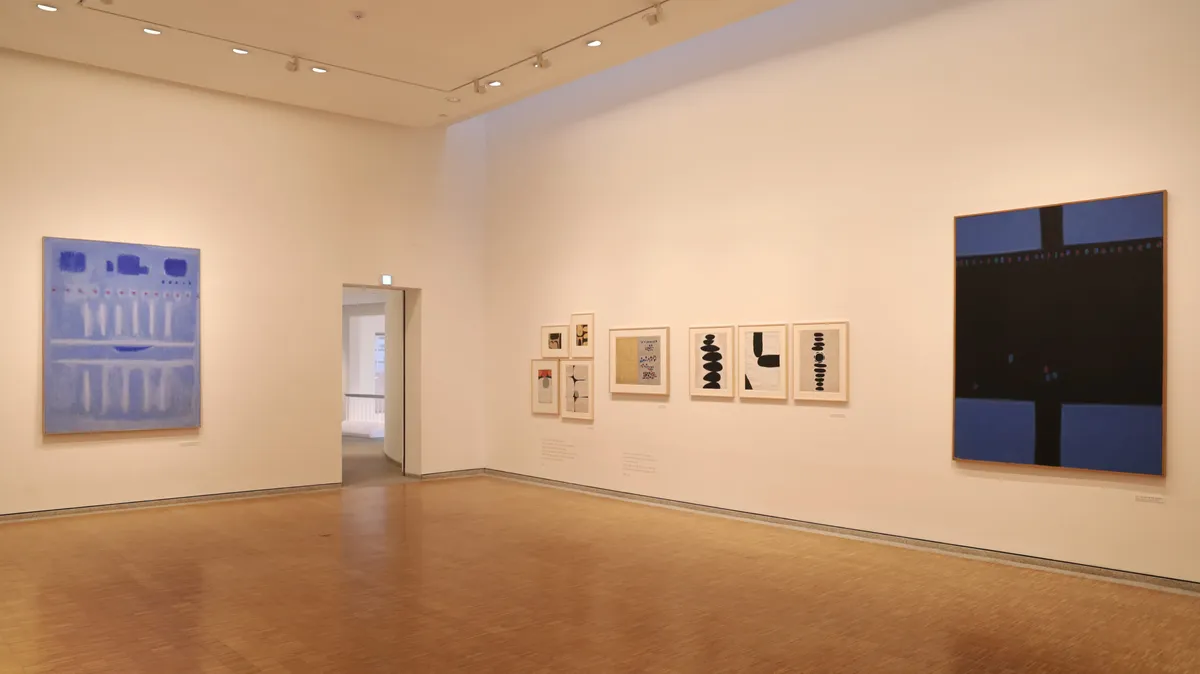
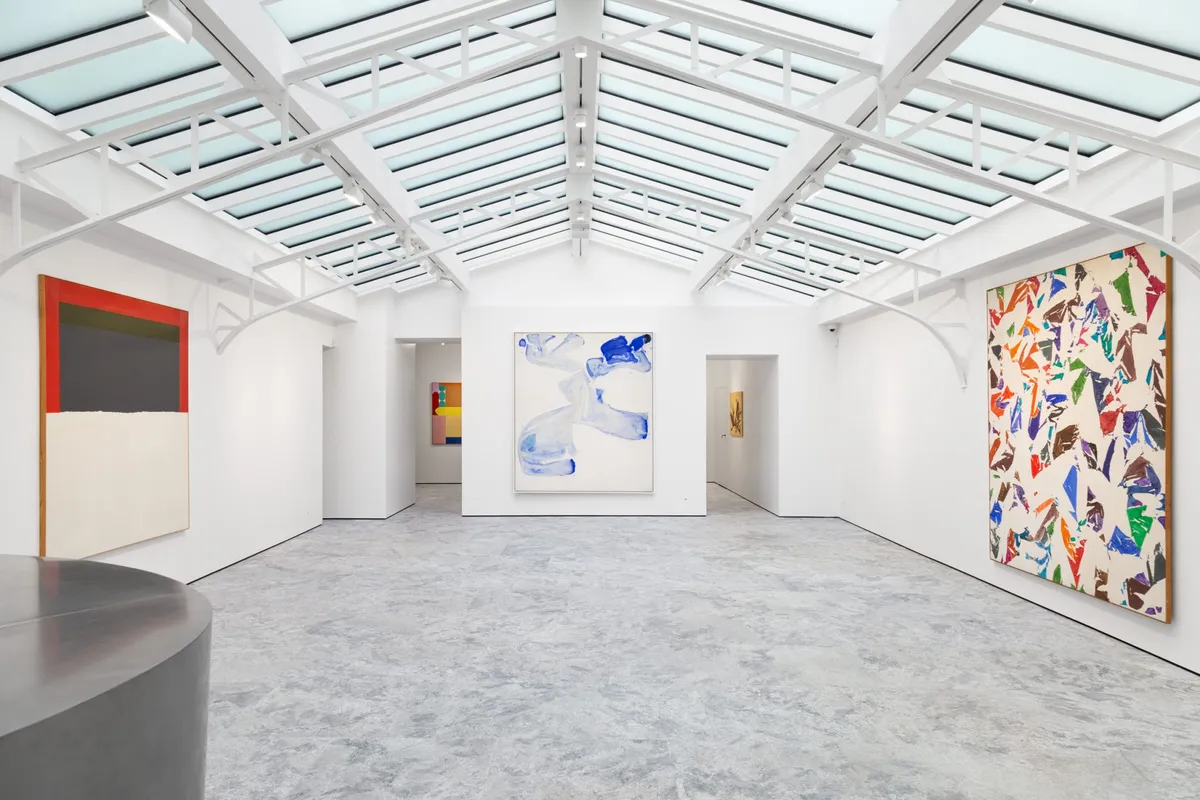
Installation view of Kim Whanki: WHANKI MUSEUM Highlights II at Whanki Museum
Installation view, Kim Whanki: WHANKI MUSEUM Highlights II, Whanki Museum.

2 / 14Korean · 1926–2013

Kwon Young-woo

Born in Riwon County, in today’s North Korea; died in South Korea

Work to know: Untitled, 1984 (Centre Pompidou, Paris)

Trained in ink painting in the first class of Seoul National University’s College of Fine Arts, in 1946, Kwon gave up the brush in 1962 and made Korean paper, hanji, his medium, cutting, tearing, puncturing and gluing it by hand into white reliefs. He was one of the five painters in the Tokyo Gallery show of 1975 where Dansaekhwa is now said to begin, taught at Chung-Ang University until 1978 and then worked in Paris for a decade.

3 / 14Korean · 1927–2011

Chung Chang-sup

Born in Cheongju; died in Seoul

For about forty years Chung soaked tak, the inner bark of the paper mulberry from which hanji is made, into a pulp that he spread, tapped and kneaded onto canvas, in series called Return, Tak and Meditation. The paintings are less made than grown, in the soft, ridged browns and whites of the fiber itself. He taught at Seoul National University from 1961 to 1993, and the National Museum of Modern and Contemporary Art gave him a retrospective in 2010.
4 / 14Korean · 1928–2007

Yun Hyong-keun

Born in Cheongwon County, now part of Cheongju; died in 2007

Work to know: Burnt Umber & Ultramarine Blue, 1978 (Tate, London)

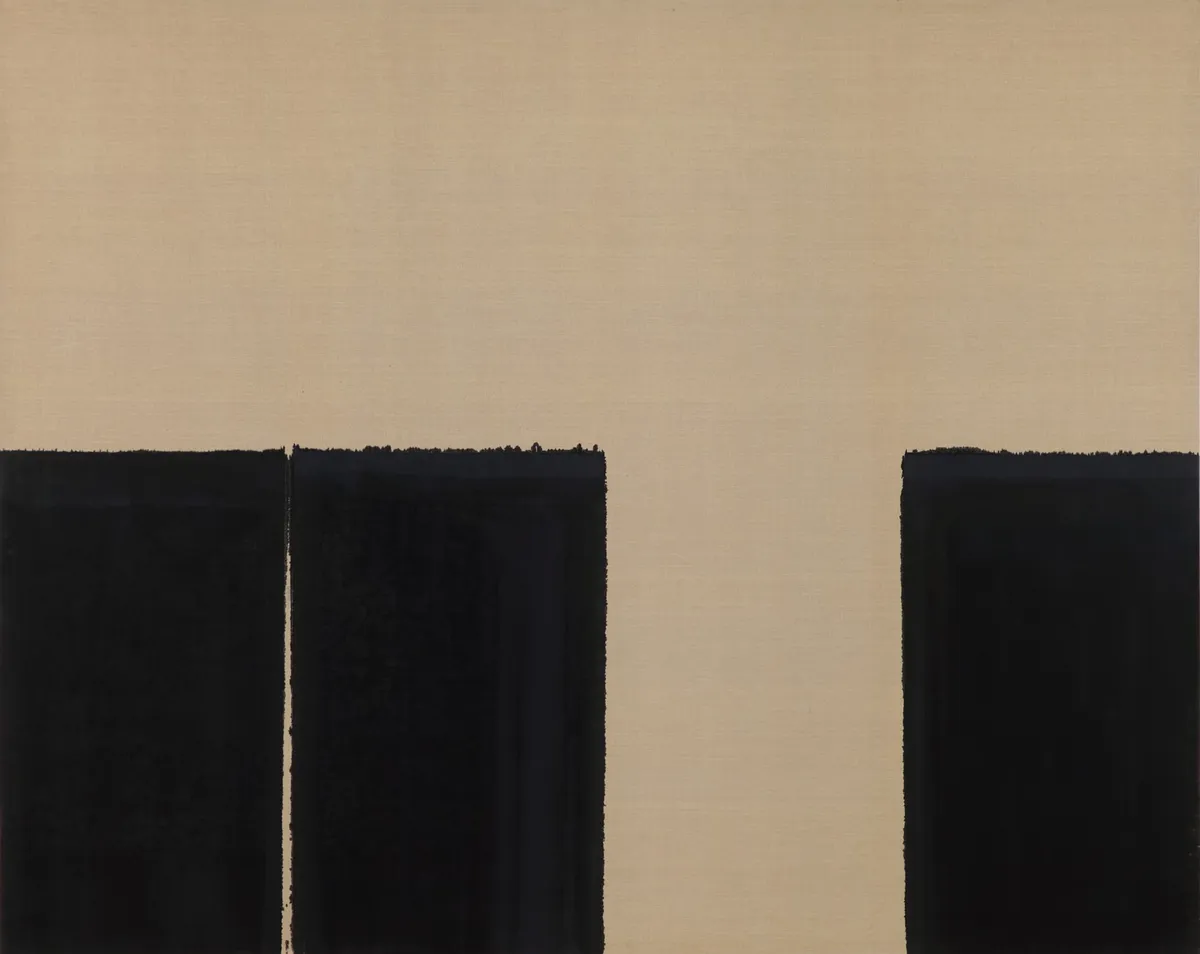
Yun smeared two colors, burnt umber and ultramarine blue, onto raw canvas or linen until they bled into dark, door-like columns: “the gate of heaven and earth,” he called the idea. His life was marked by persecution; he was condemned to a firing squad in 1950 and escaped, was jailed in 1956 and was blacklisted until 1980. Donald Judd invited him to show in New York in 1993 and at the Chinati Foundation in Marfa, and a major retrospective at the National Museum of Modern and Contemporary Art in 2018 went on to Venice in 2019.

Yun Hyong-keun, Burnt Umber & Ultramarine Blue, 1993
Yun Hyong-keun, Burnt Umber & Ultramarine Blue, 1993. Oil on linen, 180.3 x 227.1 cm. Art © Yun Seong-ryeol. Courtesy of PKM Gallery. In Yun Hyong-keun, Judd Foundation, New York.

5 / 14Korean · 1929–2021

Kim Tschang-yeul

Born in Maengsan County, in today’s North Korea; died in Seoul

Work to know: Recurrence, 1989 (Centre Pompidou, Paris)

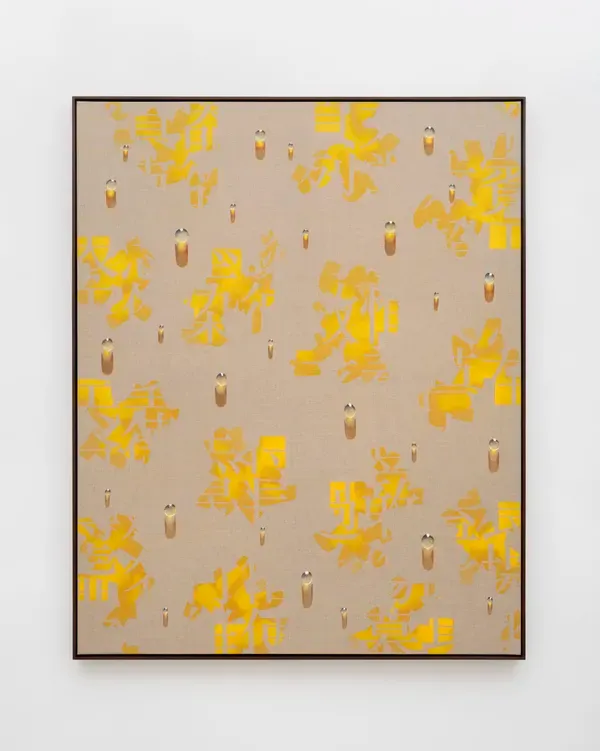
Kim lost his sister and more than half his classmates in the Korean War, and painted water drops for nearly fifty years. He studied at the Art Students League in New York and settled in Paris in 1969, and in 1972 found his motif: drops of water painted so exactly they seem about to run off the canvas, later laid over the characters of the Thousand Character Classic. Sometimes counted among the Dansaekhwa painters, he worked apart from them, in Paris; a museum of his work opened on Jeju Island in 2016.

Recurrence, 2012
Recurrence, 2012. Acrylic and oil on canvas. In Kim Tschang-Yeul: Recurrence, Tina Kim Gallery, New York.

6 / 14Korean · 1931–2023

Park Seo-bo

Born in Yecheon County, North Gyeongsang; died in 2023

Work to know: Ecriture No. 120103, 2012 (Centre Pompidou, Paris)

The movement’s organizer and its best-known painter. In 1967 Park began Écriture, drawing pencil lines over and over into still-wet white paint; later he scored wet hanji until it rose in ridges, and after 2000 he worked in saturated reds and greens. He taught at Hongik University, led the Korean Fine Arts Association and was in the Tokyo Gallery show of 1975; Lee Ufan said Dansaekhwa would have been impossible without him. The Parkseobo Museum opened beside his old home and studio in Seoul in August 2026.

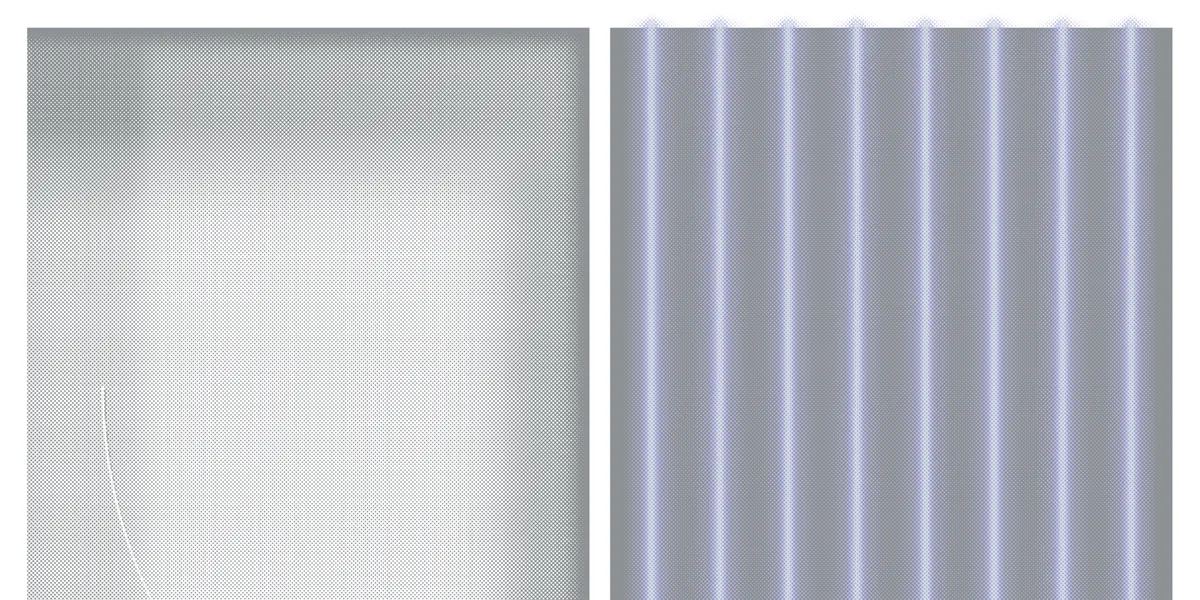
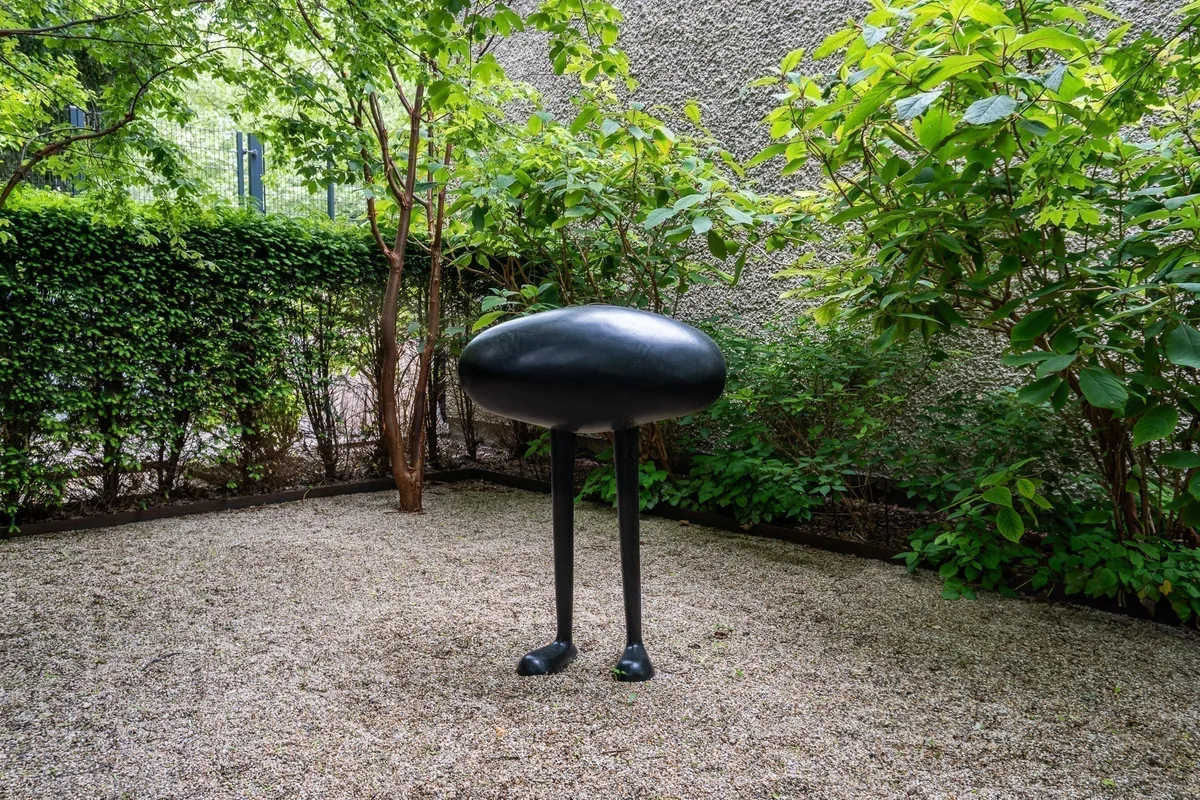
Park Seo-Bo & Huong Dodinh: Emptiness Fullness at Park Seo-bo Museum
Park Seo-Bo & Huong Dodinh: Emptiness Fullness. In Park Seo-Bo & Huong Dodinh: Emptiness Fullness, Park Seo-bo Museum, Seoul.

7 / 14Korean · 1932–2026

Chung Sang-hwa

Born in Yeongdeok, North Gyeongsang; died on January 28, 2026

Work to know: Untitled ’82-9-5, 1982 (Museum of Contemporary Art Tokyo)

Chung coated canvas with kaolin clay mixed with water, folded the dried canvas so that it cracked along a grid, then peeled the clay away square by square and filled each gap with acrylic, over and over. He worked in Kobe from 1969 and in France from 1977, and had retrospectives at Saint-Étienne in 2011 and at the National Museum of Modern and Contemporary Art in 2021. He died in January 2026, at 93.

8 / 14Korean · Born 1935

Ha Chong-hyun

Born in Sancheong, South Gyeongsang; lives in Seoul

Works to know: Conjunction 74-26 (Museum of Modern Art, New York); Conjunction 85-022, 1985 (Centre Pompidou, Paris)

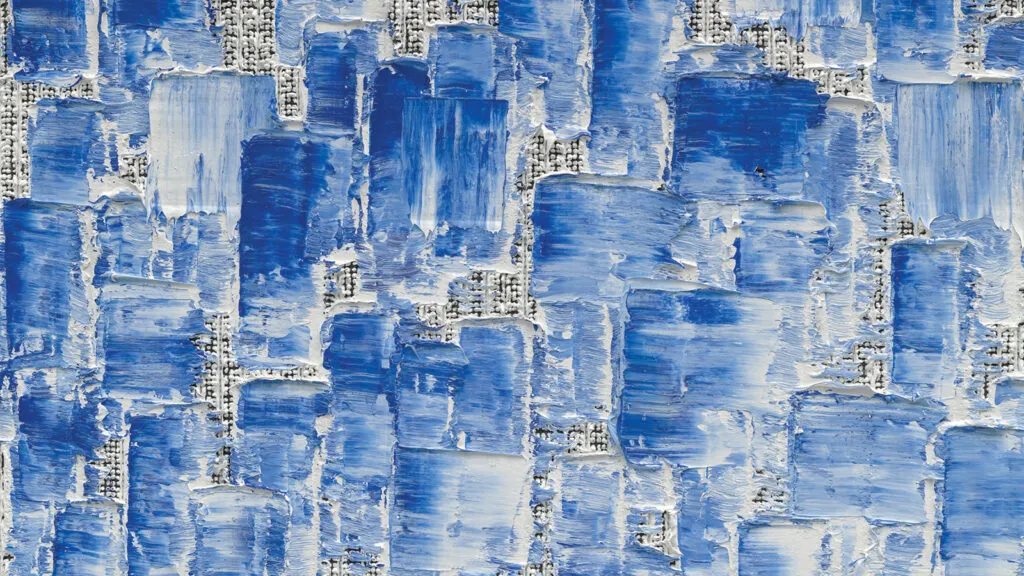
After years in Korea’s avant-garde, making works of barbed wire and other non-art materials, Ha began Conjunction in 1974: he pushes oil paint from the back of coarse burlap through to the front, then works the paint that oozes through. The burlap recalls the sacks that carried American food aid to Korea after the war. He ran the Seoul Museum of Art from 2001 to 2006 and had a solo show beside the Venice Biennale, as a collateral event, in 2022; in September 2026 the Asian Art Museum in San Francisco opened his first full retrospective in the United States.

Conjunction 25-19 (detail), 2025
Conjunction 25-19 (detail), 2025. Oil on hemp cloth. Photo © An Chunho. In Ha Chong-Hyun: Retrospective, Asian Art Museum, San Francisco.

Mono-ha5

The School of Things: young artists in Tokyo, most of them from Tama Art University, who from 1968 set stones, steel, glass, paper, earth and water in relation to each other and to the space around them, altered as little as possible.

9 / 14South Korean · Born 1936

Lee Ufan

Born in Haman County, South Gyeongsang; lives in Kamakura, Japan, and Paris

Works to know: Relatum, 1968, remade 1994 (Tate, London); From Line, 1973 (Museum of Contemporary Art Tokyo)

Lee moved to Japan in 1956 and took a degree in philosophy, and his essays, In Search of Encounter above all, made him Mono-ha’s theorist. His sculptures set stones beside steel plates or glass, and from 1972 his paintings, From Point and From Line, repeat a single stroke until the brush runs dry. He introduced the Korean monochrome painters to Japan in the 1970s, bridging the two movements. The Guggenheim gave him a retrospective in 2011, and he has museums of his own on Naoshima (2010), in Busan (2015) and in Arles (2022).

10 / 14Japanese · 1942–2019

Nobuo Sekine

Born in Saitama Prefecture; died in Los Angeles

Work to know: Phase—Mother Earth, 1968, remade 2008 and 2012 (first made in Suma Rikyu Park, Kobe)

Sekine made the work that started Mono-ha. For Phase—Mother Earth, in Kobe in 1968, he dug a hole 2.7 meters deep and packed the earth into a cylinder of exactly the same size beside it. At the Venice Biennale of 1970 he showed Phase of Nothingness, a boulder balanced on a column of mirror-polished steel. He founded a studio for public sculpture in 1973 and later divided his life between Tokyo and Los Angeles.

11 / 14Japanese · 1942–1995

Koji Enokura

Born and died in Tokyo

Work to know: A Stain No. 1, 1975 (Museum of Contemporary Art Tokyo)

Enokura worked with seepage: from the early 1970s he let oil and grease soak into paper, cloth, felt and leather, marking where material and space meet. For the Paris Youth Biennale of 1971 he built a concrete wall. He taught at the Tokyo National University of Fine Arts and Music from 1975 until his death, and the National Museum of Modern Art, Tokyo, gave him a retrospective in 2025–26.

12 / 14Japanese · Born 1944

Kishio Suga

Born in Morioka; lives in Itō, Shizuoka

Work to know: Ren-Shiki-Tai, 1973, partly remade 1987 (Tate, London)

Suga’s ideas of leaving things be, of “situations” and of activating what already exists, made him one of Mono-ha’s key thinkers as well as makers. In Law of Situation, in 1971, he floated ten flat stones on sheets of glass on a lake in Ube. He had his first solo show in the United States in 2012 and his first in Europe, at Pirelli HangarBicocca in Milan, in 2016.

13 / 14Japanese · Born 1944

Susumu Koshimizu

Born in Uwajima, Ehime Prefecture

Work to know: From Surface to Surface, 1971, remade 1986 (Tate, London)

Koshimizu helped Sekine dig Phase—Mother Earth, and made his own name with Paper (1969), a great stone inside an even larger envelope of Japanese paper, and with a granite boulder he split in two at the National Museum of Modern Art, Tokyo, in 1970. He represented Japan at the Venice Biennale in 1976 and 1980, and since the 1980s has explored Japanese woods in what he calls working tables.

After them1

An artist of the next generation whose work in charcoal carries on their attention to a single material.

14 / 14South Korean · Born 1956

Lee Bae

Born in Cheongdo, North Gyeongsang; lives in Paris and Seoul

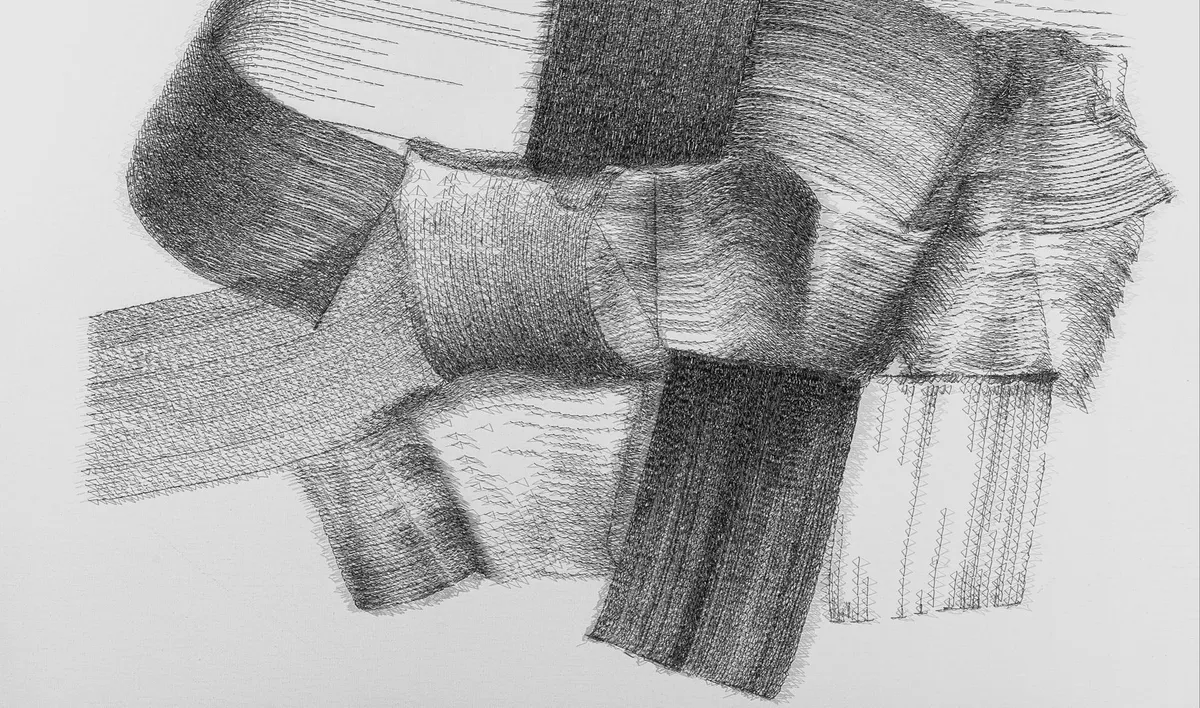
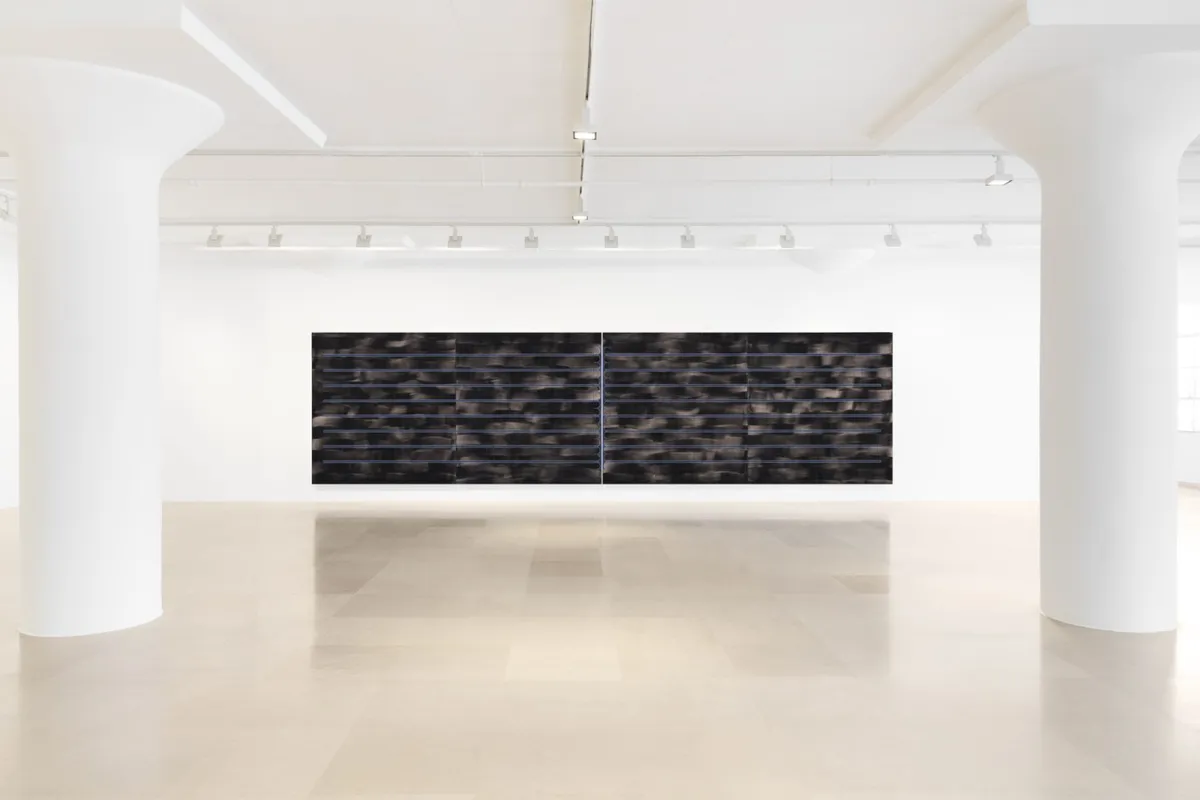
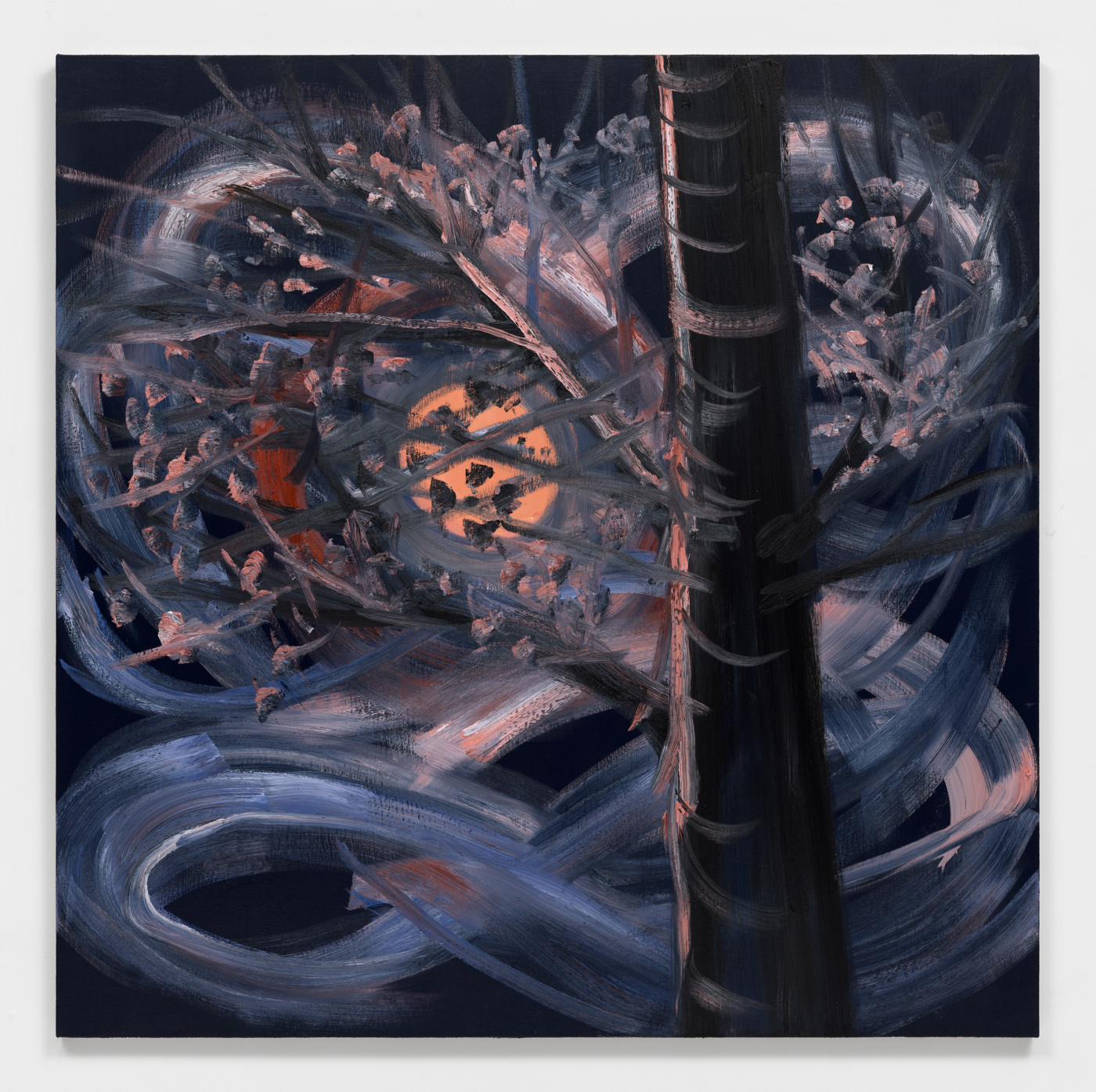
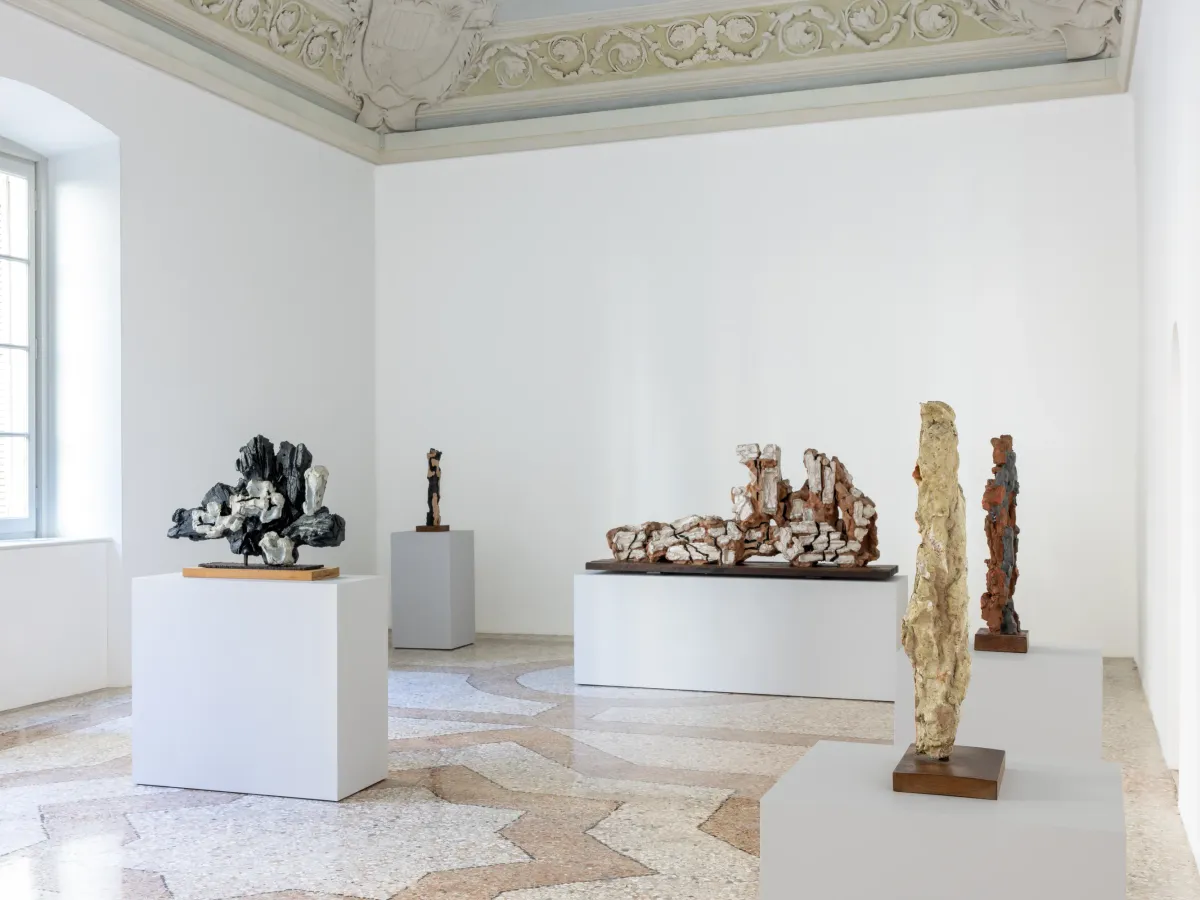
Lee Bae has made charcoal his material, in painting and in sculpture: his Issu du Feu series includes a 21-foot sculpture made entirely of charcoal, shown at Rockefeller Center in 2023. For La Maison de la Lune Brûlée, a collateral event of the 2024 Venice Biennale, wishes gathered from around the world were burned in the Korean moon-house ritual in his hometown, Cheongdo, and the charcoal went into his Brushstroke installations. He is represented by Perrotin.

Lee Bae
Lee Bae, Lee Bae: Attending. In Lee Bae: Attending, Perrotin, Marais, Paris.

Frequently asked questions

  • What is Dansaekhwa?

    Korean monochrome painting of the 1970s: Dansaekhwa (단색화, also spelled Tansaekhwa) means “monochrome painting.” The name was given in hindsight; the curator Yoon Jin-sup, by his own account, set its English spelling around 2000. Its painters, Park Seo-bo, Ha Chong-hyun, Yun Hyong-keun, Chung Sang-hwa, Chung Chang-sup and Kwon Young-woo among them, built quiet, near-monochrome surfaces through repeated actions on paint, paper and cloth. A show of five Korean painters of white at the Tokyo Gallery in May 1975 is now taken as its starting point.

  • What is Mono-ha?

    A Japanese movement of the late 1960s and 1970s whose name means “School of Things”; the critics Teruo Fujieda and Toshiaki Minemura coined it, half in mockery, in Bijutsu Techo in 1973. Its artists, Nobuo Sekine, Lee Ufan, Kishio Suga, Susumu Koshimizu, Koji Enokura, Noboru Takayama and Katsuro Yoshida among them, set natural and industrial materials, stone, steel, glass, paper, earth, in encounter with each other and the space around them, mostly unaltered. Sekine’s Phase—Mother Earth of 1968 is considered its first work.

  • How are Dansaekhwa and Mono-ha connected?

    Through Lee Ufan, a Korean living in Japan, who was Mono-ha’s theorist and in the 1970s introduced the Korean monochrome painters to Japan, where the Tokyo Gallery gave them their first show in 1975. Both movements turned from images to materials and process, and in 2000 the Gwangju Museum of Art showed them together.

  • Who are the main Dansaekhwa artists?

    Park Seo-bo, Ha Chong-hyun, Yun Hyong-keun, Chung Sang-hwa, Chung Chang-sup, Kwon Young-woo and Lee Ufan, with Hur Hwang, Lee Dong-youb and Suh Seung-won, three of the five painters in the Tokyo Gallery show of 1975. Kim Whanki is counted as their forerunner. Of the Dansaekhwa painters in this list, only Ha Chong-hyun and Lee Ufan are alive; Chung Sang-hwa died in January 2026.

  • Has Dansaekhwa been criticized?

    Yes. Because it became Korea’s official avant-garde in the years of the Park Chung-hee dictatorship, critics have argued that the state used it as soft power and faulted its painters for their silence; others read its patience and restraint as a quiet form of resistance.

  • Where can you see Dansaekhwa and Mono-ha?

    In Korea, at the National Museum of Modern and Contemporary Art, the Parkseobo Museum in Seoul (opened August 2026), Space Lee Ufan in Busan and the Kim Tschang-yeul museum on Jeju Island; in Japan, at the Lee Ufan Museum on Naoshima and the Museum of Contemporary Art Tokyo; in Europe, at Lee Ufan Arles, Tate and the Centre Pompidou. In San Francisco, the Asian Art Museum’s Ha Chong-hyun retrospective runs to January 25, 2027. Other shows on now are under each entry above.

For Lee Ufan beside the other great abstract painters, see famous abstract artists; for the artists alive and working now, famous living artists.

How this list was made

Fourteen artists: the Korean painters whom the 1975 Tokyo Gallery show, the 2015 Dansaekhwa exhibition in Venice and Tate count as the core of Dansaekhwa, with Kim Whanki as their forerunner and Kim Tschang-yeul, often shown with them; the Mono-ha artists of Blum & Poe and Gladstone’s Requiem for the Sun (2012); and Lee Bae, of the next generation. Dates and places are those Wikipedia gives on October 22, 2026, or, for Kwon Young-woo, who has no Wikipedia article, Kukje Gallery’s; Kim Whanki’s birthday is the solar date. Chung Sang-hwa’s death was reported by the Korea Times on January 28, 2026. The works named are in the collections given, from the museums’ own records (Tate, the Centre Pompidou, the Museum of Contemporary Art Tokyo) where they could be opened.

Sources

Published ; the text was last revised on , from the sources listed above. The shows named as on view, and their pictures, are those in On View’s listings as the page was built.