Who are the most famous Abstract Expressionist artists?
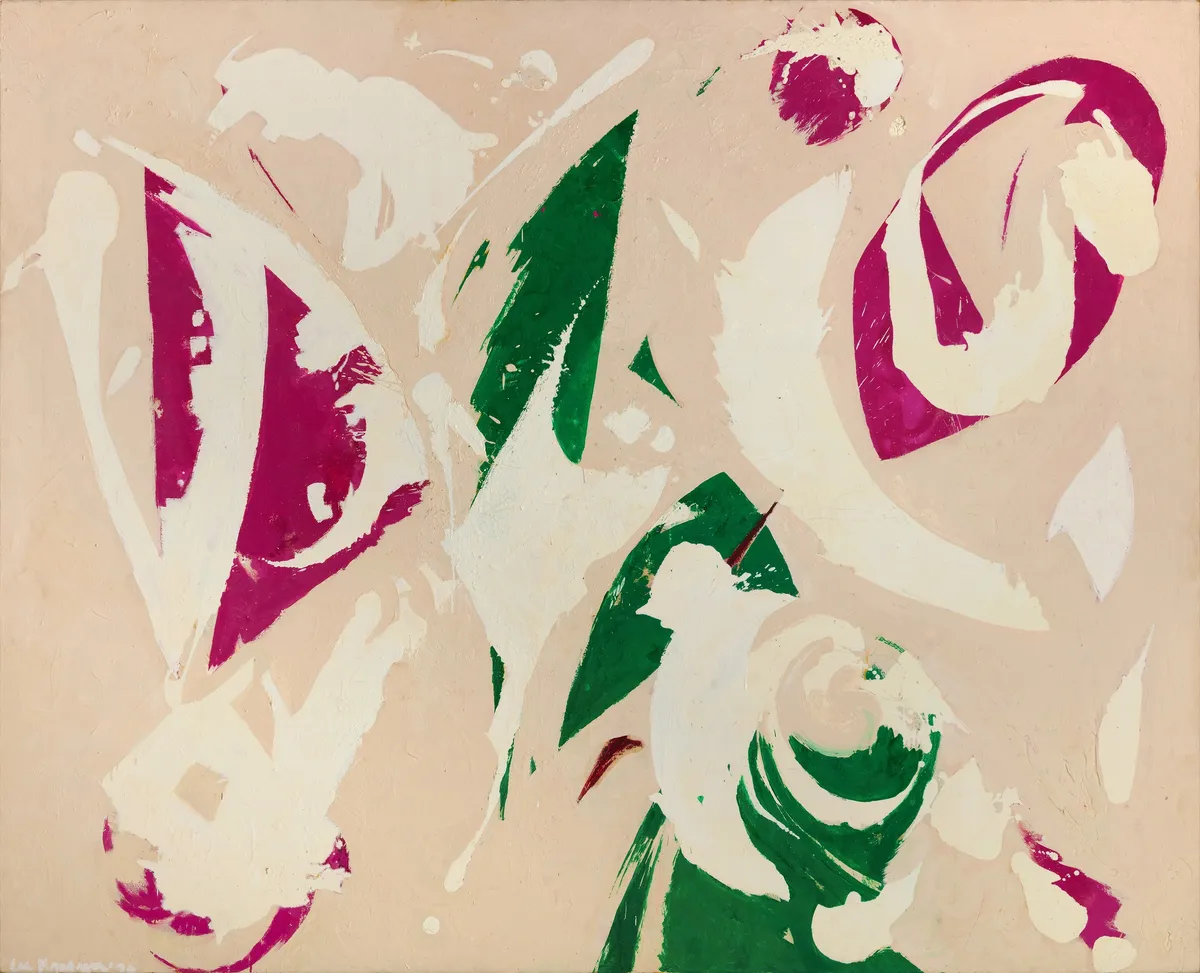
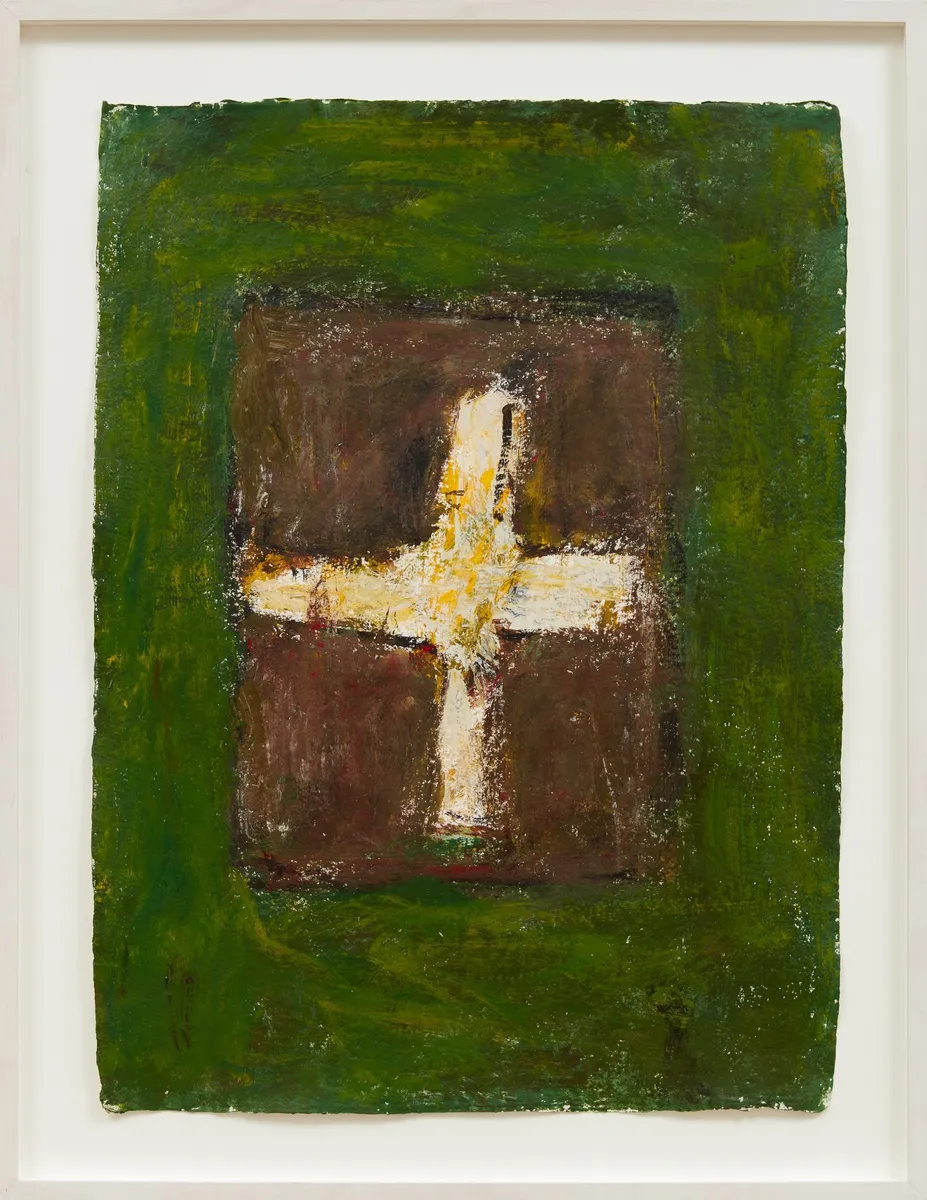
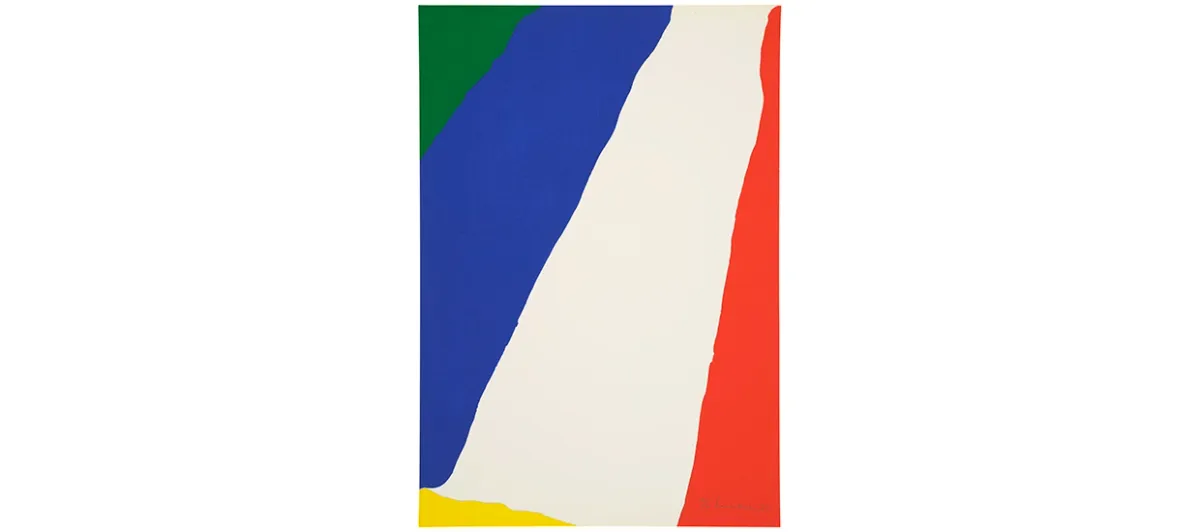
Jackson Pollock, Willem de Kooning and Mark Rothko are the best known, followed by Franz Kline, Barnett Newman, Clyfford Still, Robert Motherwell, Arshile Gorky, Adolph Gottlieb, Philip Guston, Ad Reinhardt, Hans Hofmann and Lee Krasner. The best-known painters of the second generation are Joan Mitchell, Helen Frankenthaler, Grace Hartigan, Elaine de Kooning and Sam Francis. Painters given their due more recently include Norman Lewis, Perle Fine, Jack Tworkov, Kenzo Okada, Milton Resnick and Manoucher Yektai.
Who were the first-generation and second-generation Abstract Expressionists?
The first generation made the movement in the 1940s: Hofmann, Gorky, de Kooning, Rothko, Gottlieb, Still, Newman, Kline, Pollock, Krasner, Guston, Reinhardt and Motherwell, with Tworkov, Perle Fine and Norman Lewis. The second generation came to it in the late 1940s and 1950s and had their first New York shows then: among them Joan Mitchell, Helen Frankenthaler, Grace Hartigan, Elaine de Kooning, Sam Francis, Milton Resnick, Kenzo Okada and Manoucher Yektai.
Who were the women Abstract Expressionists?
The five painters of Mary Gabriel’s book Ninth Street Women (2018), Lee Krasner, Elaine de Kooning, Grace Hartigan, Joan Mitchell and Helen Frankenthaler, are the best known; all five were in the Ninth Street Show of 1951. Perle Fine was one of the few women admitted to the Club, and Hedda Sterne was the only woman in the Irascibles photograph. See also famous female painters.
Which Abstract Expressionists were born outside the United States?
Many of them. Hans Hofmann was born in Germany, Jack Tworkov in today’s Poland, Kenzo Okada in Japan, Mark Rothko in the Russian Empire (in today’s Latvia), Arshile Gorky in the Ottoman Empire, Willem de Kooning in the Netherlands, Philip Guston in Canada, Milton Resnick in today’s Ukraine and Manoucher Yektai in Iran. Some came as children; de Kooning stowed away on a freighter at 22; Okada and Yektai came as adults, after training abroad.
Were there Iranian painters in the New York School?
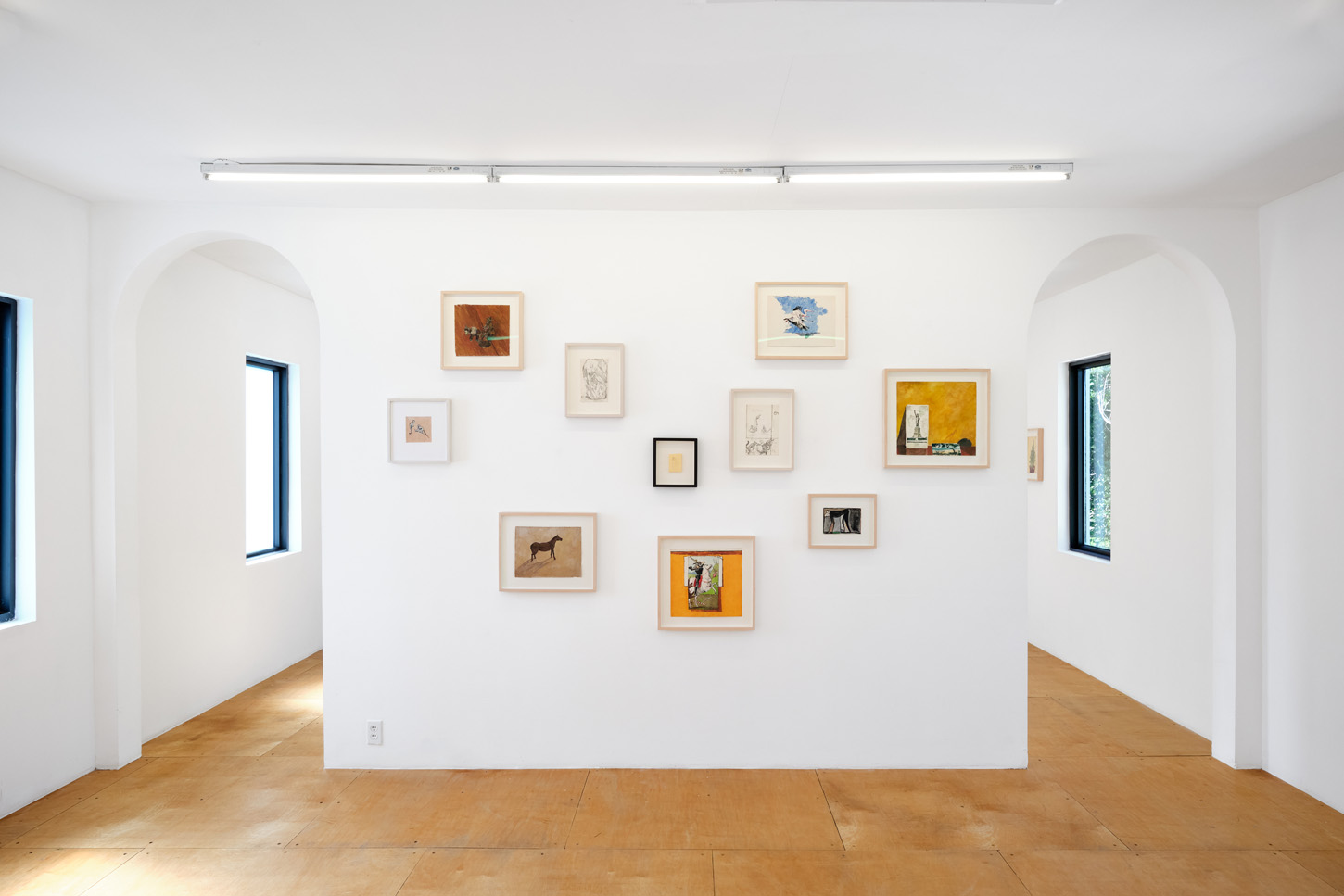
Yes. Manoucher Yektai (1920–2019), born in Tehran, trained in Paris and New York and showed in New York at Grace Borgenicht from 1951 and at Poindexter from 1957 to 1964. The Museum of Modern Art bought his Still Life D in 1959, and the Whitney and SFMOMA also own his paintings; in 2026 the Institute of Contemporary Art, Miami, gave him a survey, The Stranger and the Tree. The artist Monir Shahroudy Farmanfarmaian, married to him in the early 1950s, also lived in New York in those years.
Who were the Irascibles?
Fifteen painters photographed by Nina Leen for Life magazine, published on January 15, 1951, after they and others signed an open letter on May 20, 1950, to the president of the Metropolitan Museum of Art protesting the juries for its exhibition American Painting Today. In the front row are Theodoros Stamos, Jimmy Ernst, Barnett Newman, James Brooks and Mark Rothko; in the middle row Richard Pousette-Dart, William Baziotes, Jackson Pollock, Clyfford Still, Robert Motherwell and Bradley Walker Tomlin; at the back Willem de Kooning, Adolph Gottlieb, Ad Reinhardt and Hedda Sterne, the only woman. Hans Hofmann, Weldon Kees and Fritz Bultman signed but missed the sitting.
What was the Ninth Street Show?
An exhibition the artists organized themselves, out of their discussions at the Club, in an empty storefront at 60 East 9th Street from May 21 to June 10, 1951. The dealer Leo Castelli backed and hung it, Franz Kline designed the poster, and some seventy artists of both generations took part, among them Pollock, de Kooning, Kline, Hofmann, Motherwell, Reinhardt, Krasner, Mitchell, Hartigan, Frankenthaler, Elaine de Kooning, Perle Fine and Milton Resnick. It announced the second generation.
What is the difference between action painting and color field painting?
Action painting, the name Harold Rosenberg gave in ARTnews in December 1952, is the gestural side of the movement, in which the canvas is “an arena in which to act”: Pollock, de Kooning, Kline, Mitchell. Color field painting, the side Clement Greenberg championed, works through large, still areas of color: Rothko, Still, Newman and Gottlieb, and after them Frankenthaler, Morris Louis and Kenneth Noland.
Which Abstract Expressionist artist was not a painter?
The sculptor David Smith (1906–1965), who welded steel rather than casting bronze; his Cubi series of 28 stainless-steel sculptures, made from 1961 to 1965, is among the movement’s great works. He signed the 1950 letter to the Metropolitan Museum and was in the Ninth Street Show. Herbert Ferber, Ibram Lassaw, Seymour Lipton and Theodore Roszak were among the other sculptors who signed.
Where can you see Abstract Expressionist paintings?
In New York, at the Museum of Modern Art, the Metropolitan Museum of Art and the Whitney, which together hold the core of the movement. Elsewhere: the Buffalo AKG Art Museum, the Art Institute of Chicago, SFMOMA, the National Gallery of Art in Washington, the Clyfford Still Museum in Denver, the Rothko Chapel in Houston and Tate Modern in London, with Rothko’s Seagram murals. Shows on now are under each entry above.